



Marked by vomiting, diarrhea and stomach pain, cases of norovirus are on the rise. But Mitzi Velazquez, an epidemiologist with the Tulsa Health Department, says following good hygiene could help you avoid the sudden — and sometimes violent — virus.
Norovirus outbreaks tend to be seasonal and in colder months. Data from the Centers for Disease Control showed a major spike in cases last month around the region. Velazquez says it’s highly contagious because it only takes a small amount of viral particles to make someone sick.
“Typically it’s spread from person to person but it can also be spread from surface to person,” she told The Eagle. You can also get it from food that “isn’t cooked to the right temperature or if something wasn’t rinsed or prepared properly.”
Fortunately, it’s preventable.
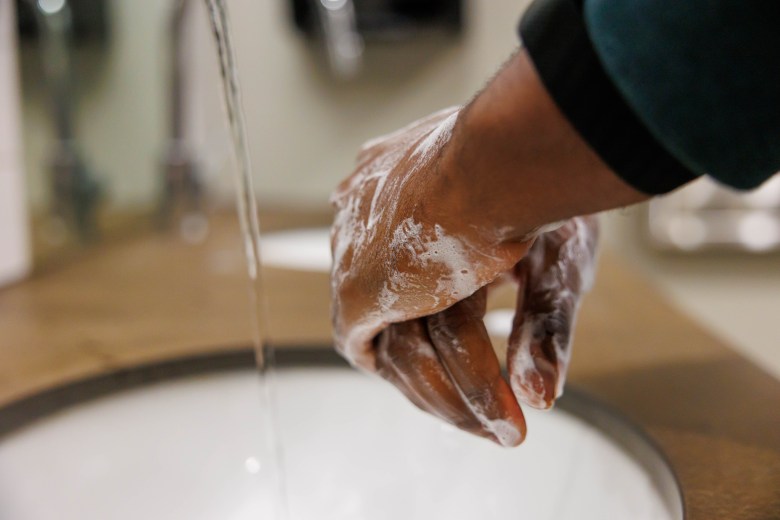
Velazquez says the first thing to do is thoroughly wash your hands with soap and water.
“When it comes to norovirus, very few hand sanitizers kill the bacteria,” she said. It’s also important to practice proper food handling to avoid contamination.
And if you do find yourself with this nasty illness, Velazquez has one instruction: Stay home.
“Avoiding other people is also very important,” she said. “Within your household, clean and disinfect surfaces right away, especially after you vomited or had a diarrhea episode.” She says using bleach or Environmental Protection Agency-approved products are the most effective.
The playing field for catching norovirus is relatively even, though the effects could take more of a toll on children, the elderly and people with weaker immune systems. Velazquez says the biggest thing to watch out for is becoming dehydrated, which can happen with severe vomiting or diarrhea.
However, if you don’t see progress in a few days, you should seek medical care.
