


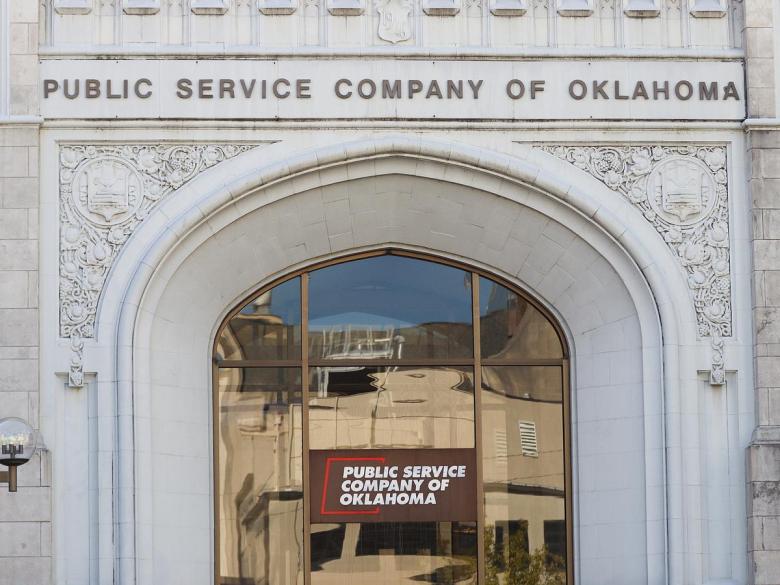
We’ve heard from a lot of people asking what’s up with their electric bills. It’s hot, your air conditioning is working overtime and your bill is climbing.
On top of that, you’re paying an extra $11 right now while the Oklahoma Corporation Commission decides on Public Service Company of Oklahoma’s request for a rate increase. The good news is you could get some of that money back — eventually.
Truth be told, it’s a complicated situation that involves the original proposal, interim fees and a settlement that would put some money back in your pockets. That’s why the Flyer dug through hours of recordings and pages of records to break down what PSO’s pending rate case means for your wallet.
A quick timeline of events
PSO filed a rate case in January, asking for a $25 residential bill increase to improve the power grid. That request was later lowered to $2.45 after the utility company reached a June 26 settlement agreement with Attorney General Genter Drummond and others.
Under the Data Center Consumer Ratepayer Protection Act, PSO and Oklahoma Gas & Electric are now required to create separate terms and conditions for large-scale customers, like data centers. The law went into effect July 1.


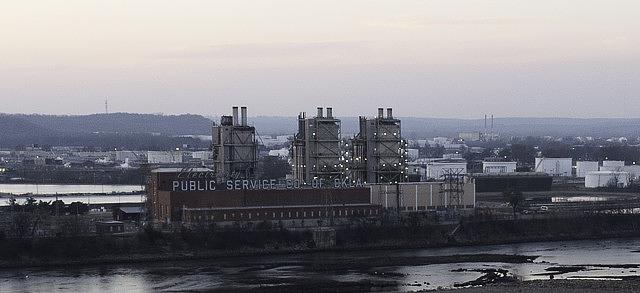
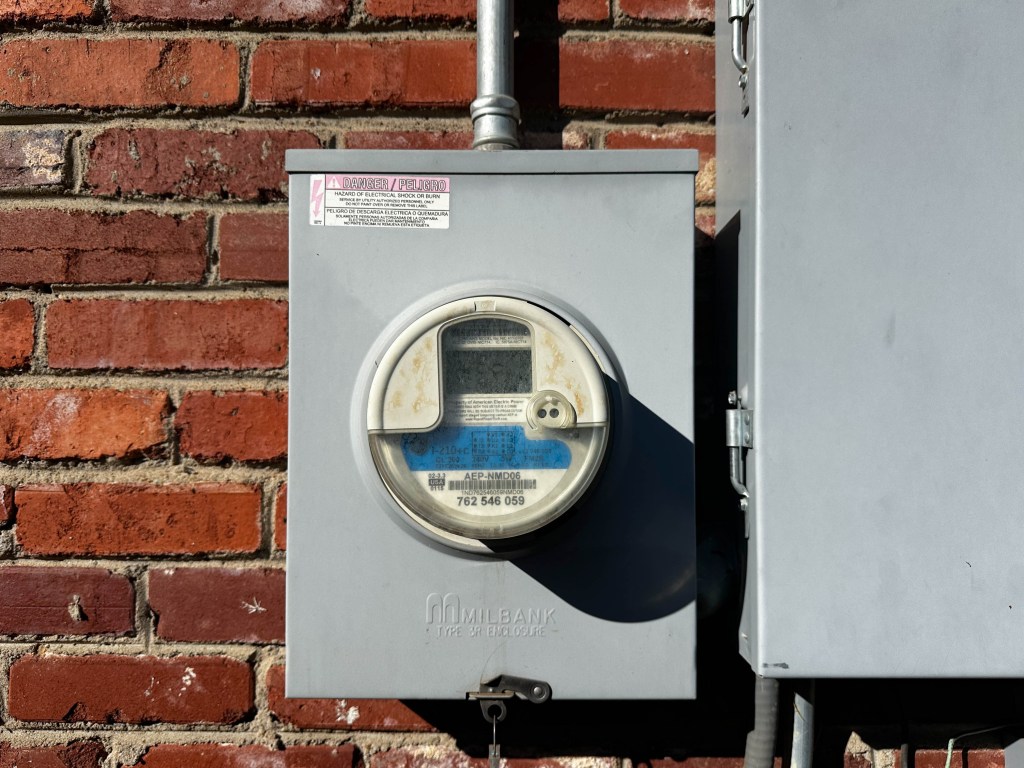
So there are two things we’re dealing with: an increase to residential rates and a large-load tariff. Discussions between PSO, commissioners and other stakeholders about rates ended July 2, and the large-load tariff debate ended July 8.
Now the commission’s administrative law judge, Kenneth Behrens, has until Aug. 21 to submit his report for commissioners to consider. Then they can make their final decision on the settlement agreement. Things could change again, but here’s what might unfold as it stands now.
You could get a refund before the end of the year
Money would flow back to your wallets if that extra $11 you’re paying now is higher than what PSO gets in a rate increase.
The exact dollar amount you’d get back is unclear. Some of PSO’s requests in the settlement agreement could be rejected. PSO proposed a $2.45 residential rate increase. If approved, ratepayers would receive approximately $9 back for each month they paid the extra $11.
You may see more extra charges on your bill
If you look at your electricity bill right now, you’ll find extra charges that aren’t part of your monthly usage. Many of these are “riders,” which are added to your bill to help PSO recover costs it already fronted. Riders must be approved by the Oklahoma Corporation Commission.
You’re already paying for a number of PSO facilities through riders, Matthew Horeled, vice president of regulatory and finance for PSO, said in hearings. The settlement agreement requests an extension or expansion of riders, but not all of those may be granted.
Expanding riders would cause additional costs in the future — on top of the proposed $2.45 increase — according to Brice Betchan, who represented the Oklahoma attorney general’s office during the settlement agreement hearings.
You might pay less in transmission costs
PSO wants to change how it charges customers for transmitting electricity to them. Since 1996, these costs have been based on how much energy was used during a four-month peak period in summer when demand is high. PSO is asking to expand that period across the entire year.
According to testimony from Mary Purvis with the Oklahoma Public Utility Division, a 12-month estimate helps prevent excessive burden on residents who typically see high usage in summer. But the change would also cost industrial customers around $16 million extra, a 96% increase in their rates. Critics argue this would cause higher prices and job losses.
Corporation Commissioner Todd Hiett doesn’t think this is the answer right now, saying it’s a significant and abrupt change that requires more analysis. The commission said the same thing three years ago in a different rate case decision.
What else to know
Further complicating the residential rate case is the large-load tariff. It’s putting PSO and Google at odds. The large-load tariff settlement agreement, which PSO did not sign, introduced the concept of BYOG (bring your own generator).
BYOG would establish a new rate class for large-load customers putting more than 75 megawatts on the grid — equivalent to more than 30,000 homes. There are three options: Bring your own generation, use PSO for generation or a combination of the two.
This rate case is also under legal review. State Rep. Tom Gann, R-Inola, has filed many appeals in the Oklahoma Supreme Court. His most recent one, dated June 26, responded to a Corporation Commission ruling earlier that month, which Gann claims denied more than 300 customers from participating in the rate case.
News decisions at the Tulsa Flyer are made independently of our board members and financial supporters. Read more about our editorial independence policy here.