

Two of Tulsa’s most controversial public art projects are causing further strife between city leaders after Mayor Monroe Nichols decided not to reappoint the city’s arts commission chair — an action that one city councilor characterized as “retaliation.” The mayor’s office denies that claim.
Machele Miller Dill, who has served on the Tulsa Arts Commission since 2020, said the mayor’s office notified her Jan. 26 she would not be reappointed. Her three-year term expired Dec. 5.
Dill believes the decision was motivated by her criticism of city officials, including the mayor, for bypassing city ordinances when making decisions on a pair of projects paid for with taxpayer dollars.
“I think (the mayor’s decision is) about every time I’ve opened my mouth to question anything,” said Dill, who serves as executive director for nonprofit Kendall-Whittier Inc.
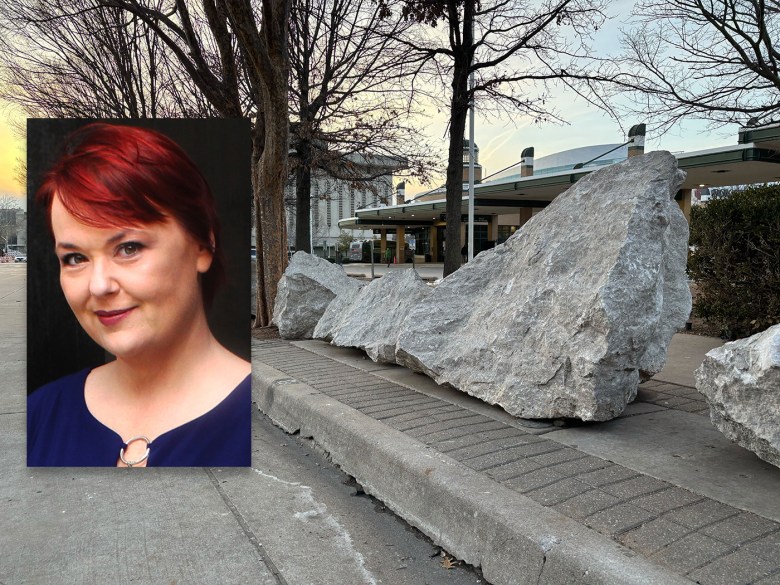
One incident involved the July installation of massive art boulders near a downtown bus stop, prompting outcry from critics who believe the boulders’ true purpose was to deter homeless people from congregating. City officials said it was part of a sidewalk improvement plan.
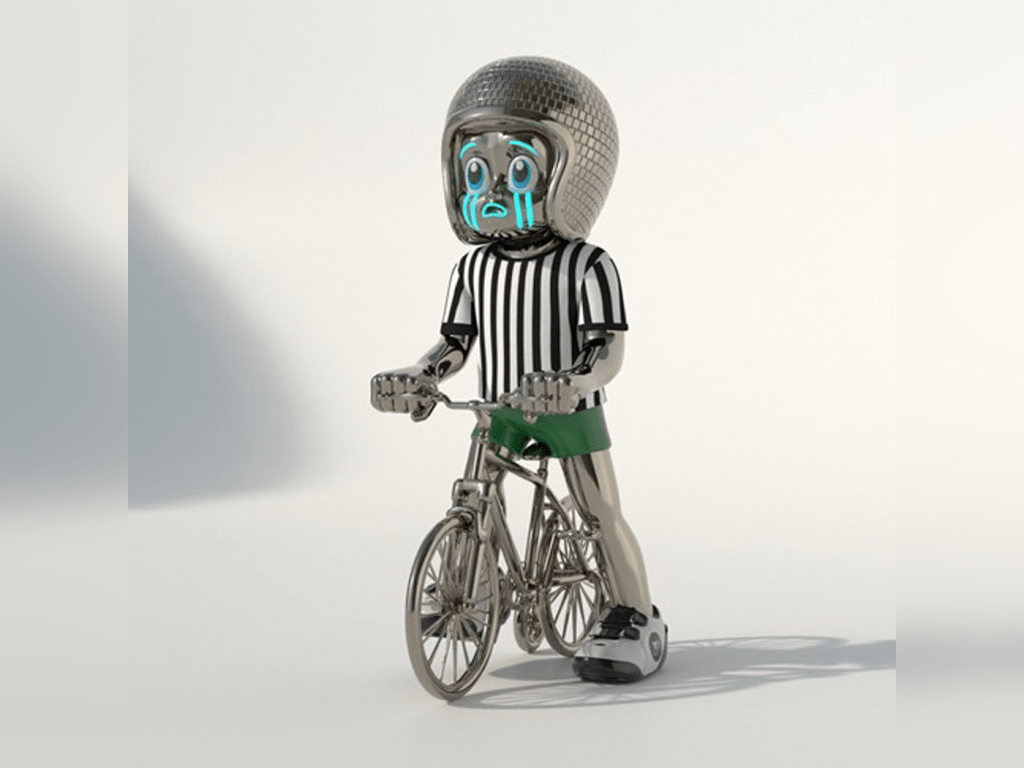
Dill was also critical of how the city handled a recent proposal to place the publicly funded “Cry Baby Cry” statue on private property in east Tulsa. The $250,000 statue faced intense opposition from residents in the Riverview neighborhood near Route 66 and Riverside Drive, where city officials originally planned to install the piece.
In both cases, Dill says she spoke up in commission meetings asking why city officials weren’t complying with city ordinances. Those ordinances require public art proposals, including the boulders and “Cry Baby Cry” statue, to be brought before the arts commission. That process didn’t happen — nor did the public input, discussion and recommendations that come with it.
Minutes recorded during the August and October commission meetings confirm questions from commissioners about the boulder project and concerns over how they were “left out of every part” of the “Cry Baby Cry” project since they voted on the original design.
When Dill publicly questioned why commissioners were not involved, she didn’t get an answer. She says she emailed Nichols and Deputy Mayor Krystal Reyes several times but was never able to secure a face-to-face meeting with the mayor. Instead, she was referred to his chief of staff each time.
“You can’t question anything,” Dill said. “Like, if somebody from the mayor’s office says the sky is looking kind of pink today, and you’re like, ‘Yeah, but there’s a big patch of blue,’ you’re on the sh-t list.”
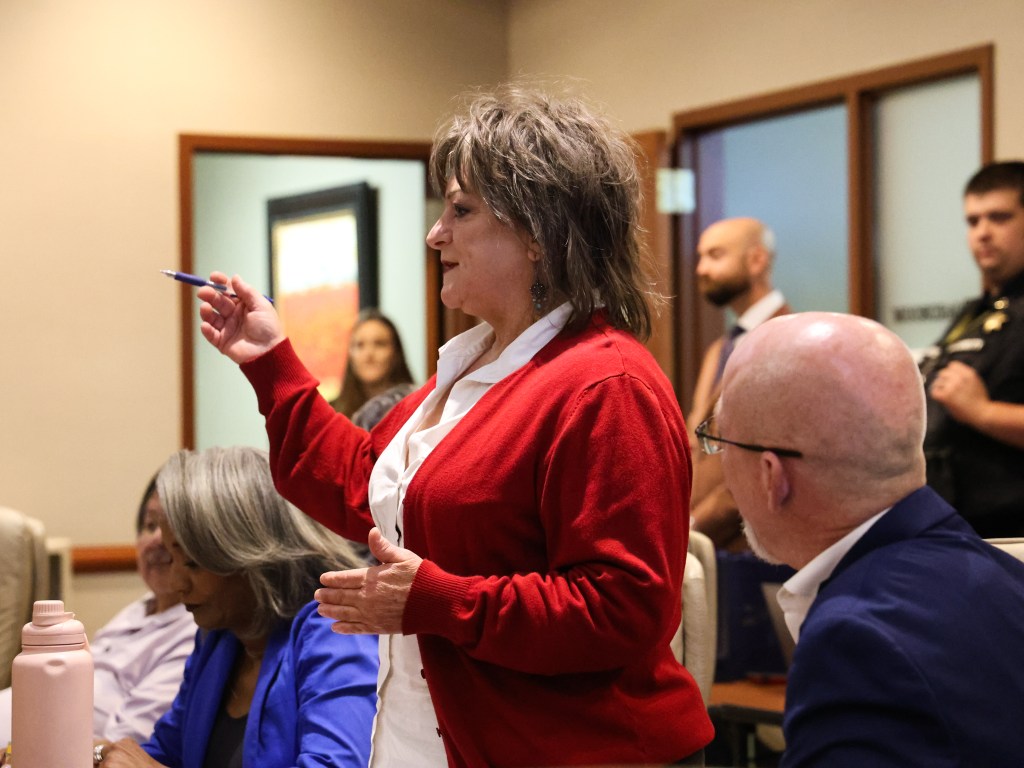
City Councilor Jackie Dutton, who represents northeast Tulsa, was among those concerned about the lack of public information about plans to relocate the “Cry Baby Cry” statue to her district. She called Nichols’ decision not to reappoint Dill “retaliation” for speaking up about the process.
“Retaliation from the mayor is not diplomatic,” Dutton said. “This isn’t the first instance of him putting somebody off because they disagreed or asked questions.”
‘Couldn’t be further from the truth’
In a statement, the mayor’s office said Dutton’s comments “couldn’t be further from the truth.” Instead, the office is affording other residents an opportunity to “lend their talents” to Tulsa’s volunteer boards. Nichols has selected singer and performer Majeste Pearson to replace Dill.
“As expressed to Miller Dill, we are grateful for the time and dedication she put into the Arts Commission and her service to the City of Tulsa,” the statement reads. “The (Cry Baby Cry) project mentioned was initiated under the former Administration and lives within our City departments to now implement.”
In addition to chairing the commission, Dill also chaired the Vision Arts Grant Program from 2022 to 2025 and doled out funds to nonprofits that promote arts in Tulsa.
Pam Deatherage, an architect who was first appointed to the commission by former Mayor Dewey Bartlett in 2014, said Dill is the best chair they have ever had.
“I’m really wondering as to why this is going on,” Deatherage said. “What’s the big political thing that’s happening here?”
‘We have a law that says this is how we have to do it’
Much of the Tulsa Arts Commission’s friction with the mayor’s office relates to when projects are brought before the commission, Dill said. It began with the boulders, which were a surprise to her.
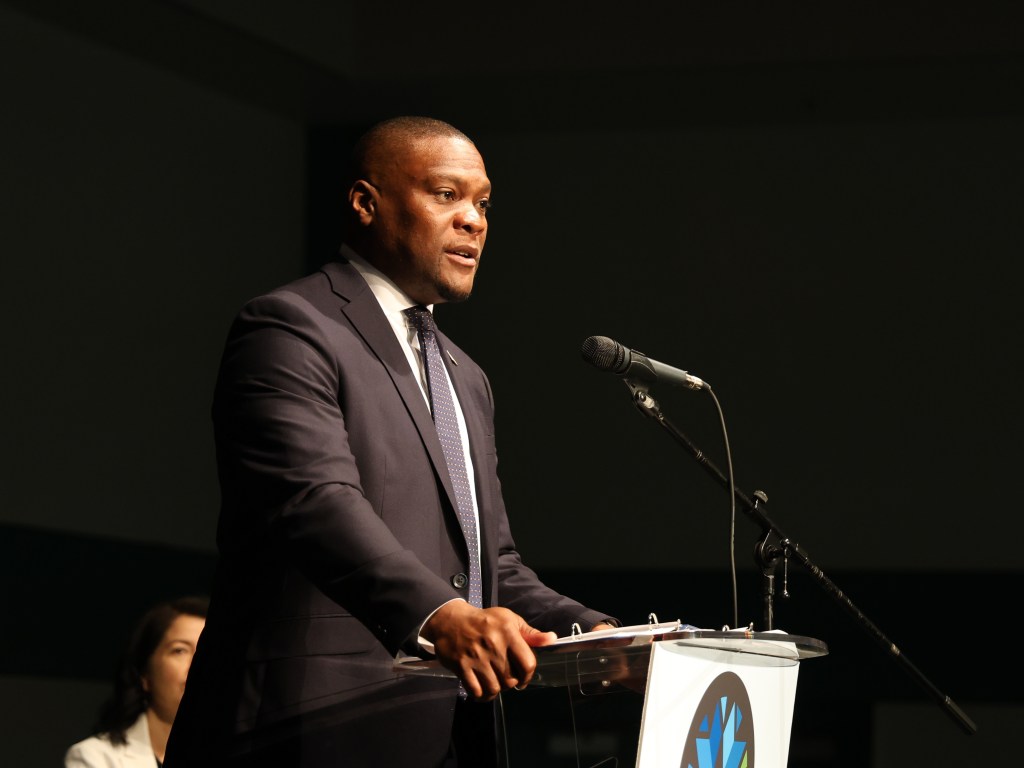
“Before (Nichols) mentions we’re going to do this art project, that has to come before us,” Dill said. “I got 10 texts 10 minutes after he (announced) this, and I got all these texts going, ‘Hey, what do you know about this?’ And I’m like, ‘Not a thing. I don’t know a thing.’”
City ordinance states the city cannot move forward with a public art project without first submitting the proposal to the commission, which provides recommendations to the mayor. Another portion forbids the city from removing, relocating or altering art without the approval of the commission.
“Obviously it’s quicker when you don’t do art by committee, but we have a law that says this is how we have to do it,” Dill said.
Those ordinances apply to moving the “Cry Baby Cry” statue, Dutton said. That decision has yet to come before commissioners. City officials are working to place the statue on private property at the northeast corner of East 11th Street and South 129th East Avenue — which falls within Dutton’s district.
“I’m not sure whether the mayor is aware or not with these guidelines that the arts commission has to go by, but mayor or no mayor, it’s not proper to go above and beyond guidelines that have been set for protocol. It’s simply not,” said Dutton, who shares concerns about the location change. “I’m really disappointed that the mayor gets questioned and there’s this kind of blowback.”
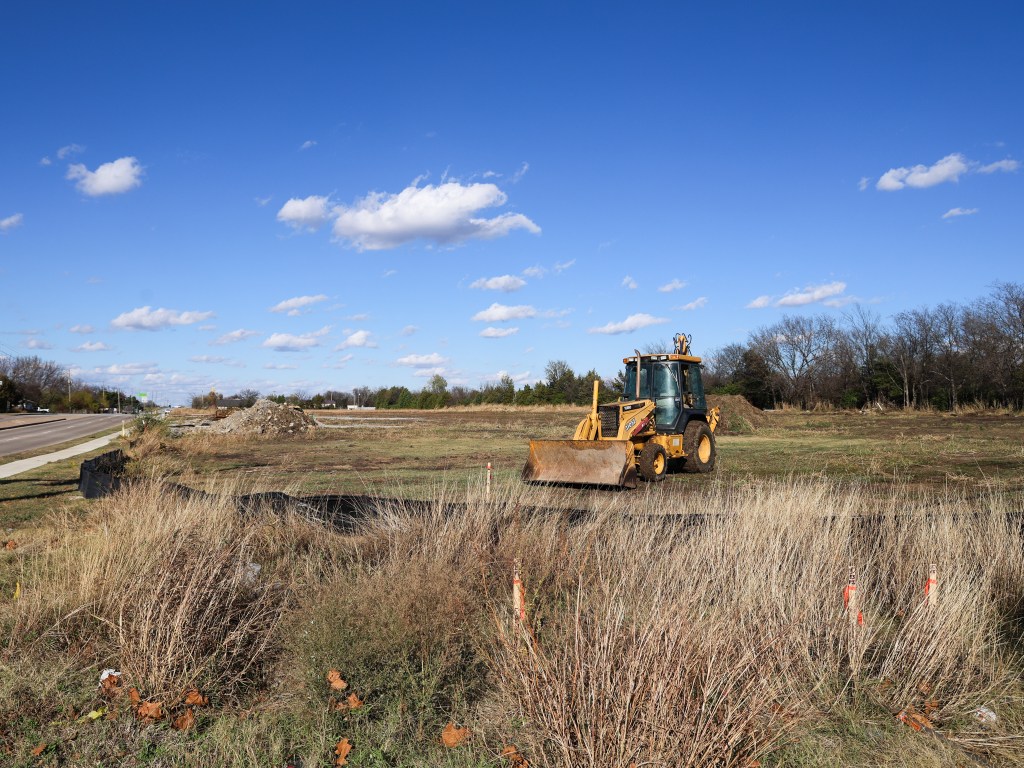
Deatherage said city leaders need to take the commission’s two cents on the statue. Despite serving on the selection committee for the project, she has not been included in meetings about moving it to east Tulsa.
“I have a feeling the arts commission is probably gonna have a problem with it,” Deatherage said. “But, they just need to come back to us with whatever it is they end up proposing — and they haven’t done that yet.”
Deatherage and Dill say they’ve pushed to get the commission more involved in deliberations about public art projects. But the results haven’t been what they hoped.
“At this point, I think the city’s going to do what the city’s going to do,” Deatherage said.
News decisions at the Tulsa Flyer are made independently of our board members and financial supporters. Read more about our editorial independence policy here.
