


As a daughter of immigrants, America gave my parents a better chance to find work opportunities and provided them with a second home. It gave them another country to be proud to represent.
This Fourth of July, I’m celebrating the opportunities I gained from my parents when they chose to stay in America after my sister and I were born. My sister and I were the first people in our family to earn college degrees. I was the first woman in my family to move to another city outside of Texas for my dream: journalism.
Next week, I’ll stand behind my mom during her U.S. naturalization ceremony as, for the first time, we’ll share the same citizenship.
For immigrant families, the Fourth of July can bring up mixed feelings. I spoke with Tulsans who immigrated from other countries about their experiences and what the holiday means to them.
Oscar Guillén Arauz, immigrated from Honduras
It was July 4, 2002, when Oscar Guillén Arauz and his family left Honduras. He was only 2 years old when they traveled to the U.S. over the next month.
Safety concerns and lack of economic opportunities led Guillén Arauz’s mother to leave her home country with her son and his grandmother for a new beginning. His family stayed in Texas for a few years before moving to South Carolina, where they settled and created a life.
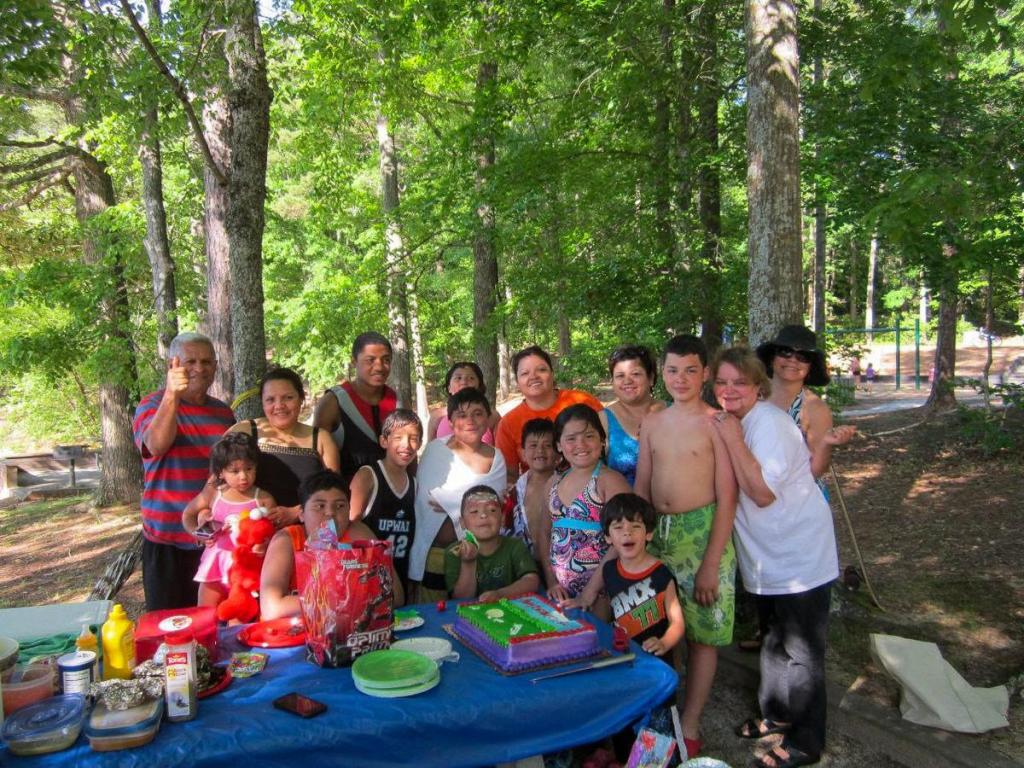
Guillén Arauz spent the majority of his life in South Carolina until four years ago, when he decided to make a change following his college graduation. He found a job in Tulsa and packed his bags.
Now 26, he likes to spend the Fourth of July with his new friends, who he says have turned into a second family. He always celebrated the holiday growing up.
“Every opportunity I’ve ever been provided, it’s been in some way, shape or form influenced by my presence here and other people who decided to come here and build something here,” he said.
Guillén Arauz is a DACA (Deferred Action for Childhood Arrivals) recipient, and he sometimes struggles with political decisions. He is currently a program fellow with Eastside Rise, an organization focused on empowering residents and business owners while preserving the community’s diverse cultures. He sometimes feels as if the work he’s doing won’t lead to anything, but he says he reminds himself to use it as fuel to keep going.
“I haven’t gotten to where I am right now in life if I just kept thinking about the people who doubt me and I listen to that and I just internalize it. It’s like, no, man, you just got to do what you can to prove the people wrong,” he said. “That’s been one of the key motivators for me.”
Ceitci Demirkova, immigrated from Bulgaria
Ceitci Demirkova immigrated to the U.S. at 19 years old with a big dream to change the world and $100 in her pocket. She says she wanted to help impoverished children in Bulgaria have a better future.
Demirkova lived under communism for 16 years in her home country. She understood immediately the difference between bondage and freedom, she says, and the opportunities in the U.S. were endless.
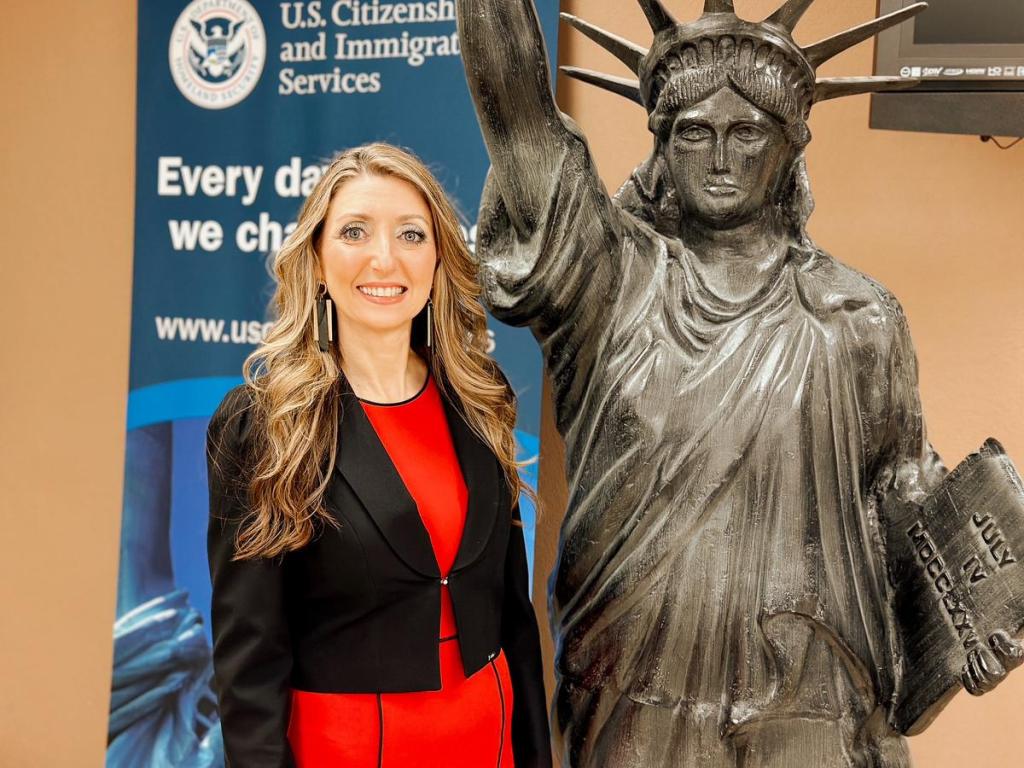
A lot of people born into democracy cannot make the distinction because they were born into it, she says. She’s always celebrated the Fourth of July and has often felt more patriotic than most Americans.
“I celebrate the dream of what America has always been and that is to provide that life, liberty and pursuit of happiness to anyone who comes here wanting to take this country and adopt it as their own and integrate into the society, be part of it and celebrating its history,” she said.
Demirkova’s dream came to fruition in the U.S. when she created her nonprofit organization, Changing a Generation, where she helps impoverished children in Bulgaria, Uganda and Ghana. She met her husband in the states as well.
Now 50, she’s lived in America since 1994, and has experienced different Republican and Democratic presidents leading the country. America goes beyond that, she said.
“When I look at America today, it wouldn’t matter to me if it’s a Republican or a Democrat in the White House. I’m not celebrating them. I’m celebrating who America is and the people that live in it,” she said.
Rubén Mendoza, immigrated from Mexico
Rubén Mendoza was 20 years old when he left his home in Zacatecas, Mexico and arrived in California for work. He only spent a year there before relocating to Tulsa after a friend told him it was a good place to find work.
His first boss, who was American, saw potential in him and decided to hire him on. Mendoza took that in and learned everything he could, later opening his own painting company.
To him, the Fourth of July is more of an excuse to gather with friends and family.
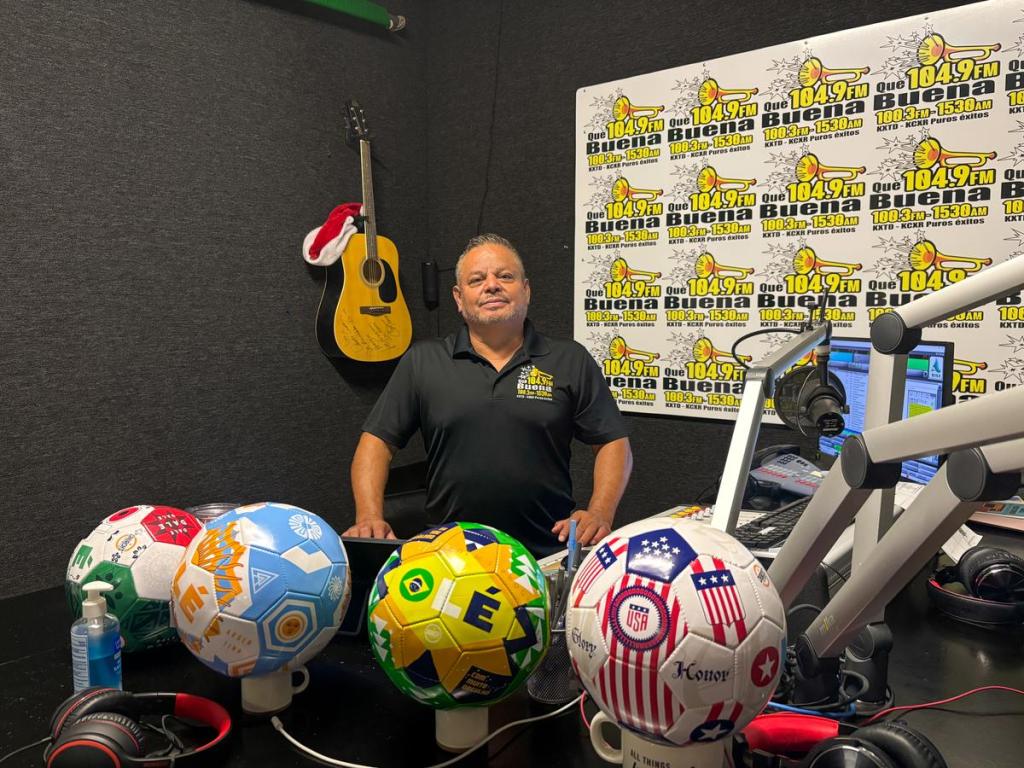
ow 55, Mendoza remembers his first time celebrating years ago at a lake with his first wife. He recalled wearing a Garth Brooks shirt, but everyone made fun of him because he was a Mexican wearing an American flag. To him, the country has given him everything.
“Thanks to this country we’ve accomplished a lot, my children are from here, they were born in this country, and more than anything, I have a lot to be grateful for (because of) this country,” he said.
Mendoza hosts the morning shows at Que Buena Tulsa, a local Spanish language radio show, from Monday to Friday. On the show, he helps east Tulsans learn more about local resources through “Polecias y Bandidos” and a weekly podcast featuring immigration lawyer Lorena Rivas.
Mendoza recognizes times might not be easy for the immigrant community. He says he believes the political climate has woken up racism and made it more public.
“There’s a lot of people who don’t celebrate it the same anymore, because they don’t feel the love for this country the same way because of everything that’s happening,” Mendoza said. “The transition of power had a lot to do with it. That’s how I see it.”
Disclosure: Angelica Perez is featured weekly on Que Buena Tulsa’s radio show, Polecias y Bandidos, that Mendoza hosts.
This article was produced as part of a partnership between the Tulsa Flyer and La Semana, a Tulsa-based bilingual Spanish-English newspaper serving Latino communities in Oklahoma.
News decisions at the Tulsa Flyer are made independently of our board members and financial supporters. Read more about our editorial independence policy here.