

Oklahoma taxpayers could pay the price for the state’s high food stamp error rates, but that’s likely a last resort.
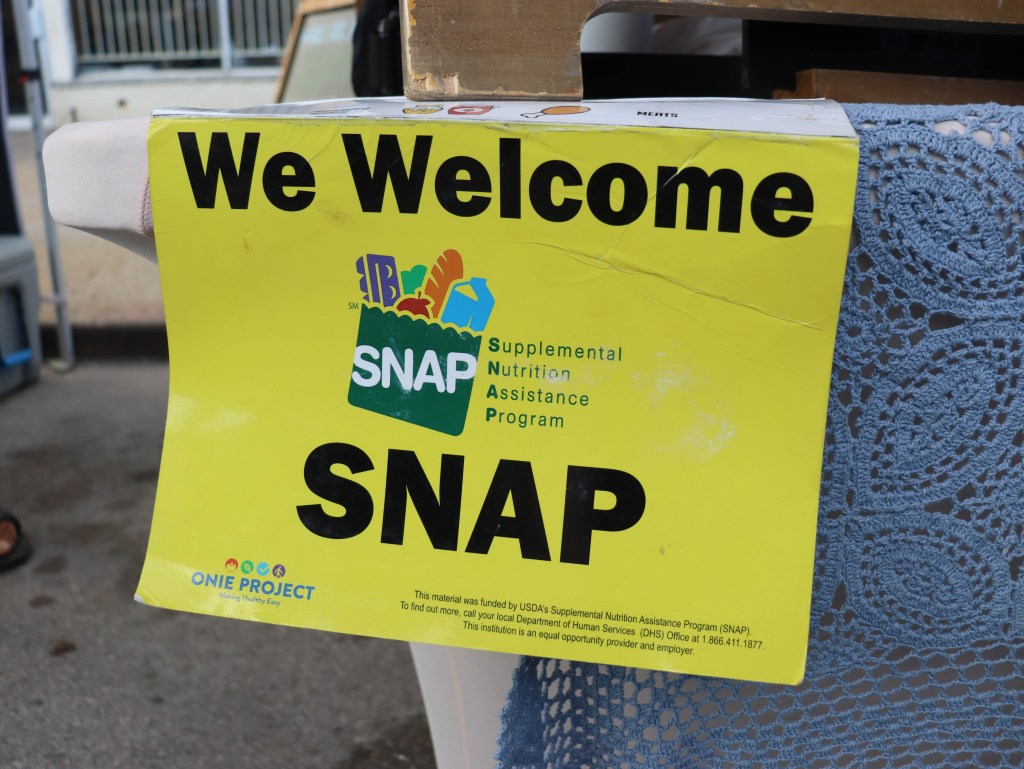
Changes to the Supplemental Nutrition Assistance Program (SNAP) under the One Big Beautiful Bill Act could cost the state an extra $270 million next year, according to State Auditor Cindy Byrd. SNAP provides upwards of $125 million a month in food benefits to more than 684,600 Oklahomans in need.
Byrd said taxpayers might be the ones forced to cover the new costs but later told the Flyer raising tax rates was unlikely.
“It would be horrific for the state of Oklahoma to raise taxes to cover mistakes made by a state agency that is not properly stewarding our tax dollars that we’re receiving,” Byrd said of the Oklahoma Department of Human Services.
What are these changes?
Byrd points to two main funding changes in the One Big Beautiful Bill Act. States will lose some federal SNAP dollars if their error rates exceed 6%. States must also cover 75% of the program’s administrative costs instead of 50%. Both are set to start for fiscal year 2028.
Oklahoma has a SNAP error rate of 10.87% with an October 2026 deadline to fix it.
These funding cuts are set on a sliding scale, so higher error rates mean the state has to cover more. The last time Oklahoma had an error rate less than 6% was in 2017.
What are error rates?
Error rates don’t necessarily mean fraud, but they do reflect any underpayments or overpayments of benefits. It usually isn’t malicious, like when people forget to update their household size or financial information as life changes happen.
Byrd says the Department of Human Services needs to find more efficiencies, and she thinks she could help — but neither Gov. Kevin Stitt nor DHS Director Jeffrey Cartmell have reached out.
Will this trickle down to taxpayers?
No matter what, DHS is requesting more money from the state. The new administrative costs require an extra $25.5 million alone. This leaves a few possibilities.
Tax rates could get higher. But it takes a supermajority for that to pass in the legislature — and it is unlikely. Oklahoma could cut money going to other programs, or the state could tap into the Rainy Day Fund reserves, Byrd says.
Welfare programs are requesting more dollars across the board, including $495 million for SoonerCare. The Senate Appropriations Committee, which helps shape the state’s financial budget, acknowledged this in a Feb. 13 news release.
“Oklahoma’s economy remains stable, but the demands on our state to maintain core government services are not insignificant,” said Senate Appropriations Chairman Chuck Hall, R-Perry. “These needs come as cash reserves have been somewhat decreased to cover major one-time expenditures last year.”
Vice Chair John Haste, R-Broken Arrow, said they will carefully evaluate each request and prioritize “essential government services.”
How is the Department of Human Services responding?
Since August, DHS has been trying new things to reduce error rates. Byrd was suspicious of the high turnover rates within the department. Cartmell said in a January budget hearing they’ve been testing a new staff training program that spans more than just a couple of weeks and is more intensive.
Errors are usually made by employees in their first year of work and when benefits total $800 or more, Cartmell said. So DHS requires a second set of eyes now before such cases are approved. That stopped $1.5 million more in erroneous dollars, he added.
The Flyer reached out to the Oklahoma Department of Human Services for any updates on its policies and did not hear back.
News decisions at the Tulsa Flyer are made independently of our board members and financial supporters. Read more about our editorial independence policy here.
