


Jahaziel Hiriart taught her first salsa dance class in Tulsa a decade ago. It marked the beginning of Ritmo Dance 918.
Ranging from salsa to K-pop, groups like Ritmo Dance 918 have emerged throughout the Tulsa area to help others learn and appreciate new styles — and the cultures they come from.
“As dance communities grow, it’s easy to fall into that trap of competition or … students from this studio don’t go to this studio,” Hiriart said. “Sometimes it’s territorial and I’ve seen it not just in Oklahoma City but in other bigger markets and I’m like, ‘I don’t want that for our community,’ because I like to think that there’s enough for everyone.”
Latin Dance/Ritmo 918
Hiriart began leading salsa classes at the former dance studio TulSalseros. When the owners were expecting their second child, they asked Hiriart to lead their salsa teams.
“I did it very hesitantly because I think I grew up with this notion or this idea that I knew how to dance because I’m like, ‘I’m Latina. Of course we know how to dance,’” she said. “Then once I went into the studio I was like, ‘Oh, no.’”
When the studio closed, Hiriart branched out and created Latin Dance 918 and Ritmo 918.
Founded in 2016, Latin Dance 918 is dedicated to teaching and educating others about the Afro-Caribbean/Latin culture through dance. Ritmo 918 is the dance organization within the studio focused on teaching teams a specific bachata or salsa dance.
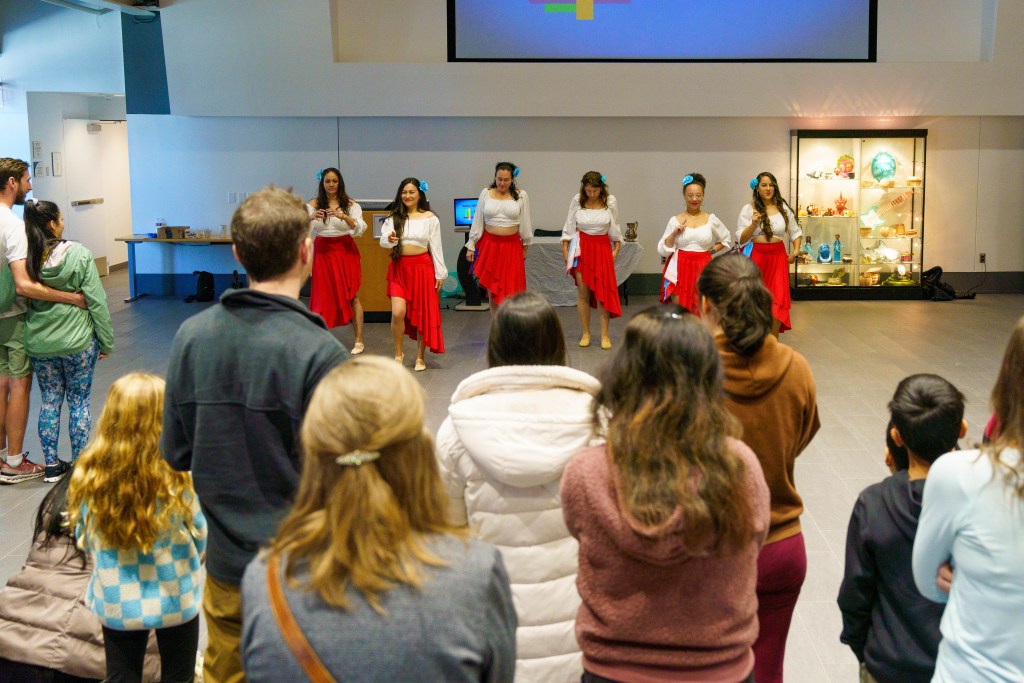
Traditional salsa dates back to the 1920s in Cuba and South America, but salsa in the U.S. began with the Latin communities of New York City in the 1940s. Meanwhile, bachata originated around the 1960s in the Dominican Republic.
Hiriart has taught 25 teams — 15 bachata and 10 salsa teams – through Ritmo 918. They have seasons where they are constantly performing at events, while also hosting broader dance classes for the community. Seasons can last anywhere from a few weeks to a span of months.
Hiriart knows building community takes more than simply bringing people together into one space, she said.
“Sometimes in the dance community, if you start showing up to socials, you see the same people and I have no idea what they do. We just dance,” she said.
So, she’s intentional with how she starts each class. Typically, classes begin with the dancers stretching to allow people who might be running late to arrive on time. Most importantly, though, they do a sister circle to share more about themselves and the reasons why they are there.
“I always try to ask people about their whys and it’s never about, ‘Oh, I want to become a great dancer and be the spotlight,’ like it’s never egotistical,” she said. “We have a lot of moms and it’s like, ‘This is the one thing that I want to carve out time to do for myself.’”
The salsa team’s next season starts in March, based on Bad Bunny’s “Baile Inolvidable.” You can follow along on Ritmo 918’s Instagram.
Luna Dance Co.
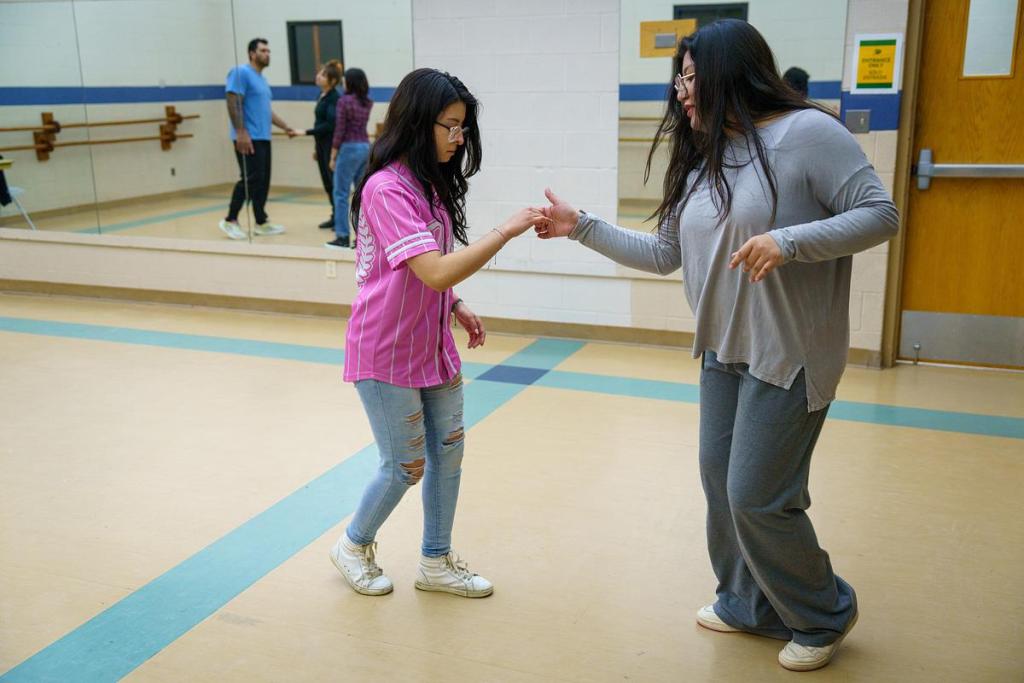
Fernanda Luna started her dance journey when she came across an ad for salsa classes. She spent the next three years learning more about Tulsa’s dance community and its various styles.
She would later get her twin sister, Jimena Luna, involved when they couldn’t find any cumbia classes or socials.
Last year, the duo decided to create their own lane for the dance style as a tribute to sharing their culture. They created Luna Dance Co., a social group dedicated to teaching cumbia.

Cumbia originated in Colombia in the 19th century with influences from African, Indigenous and Spanish cultures.
“I think that we love the community enough and this genre enough to put it together and well if we want to attend the socials first we got to teach people how to do it,” Fernanda Luna said.
People come to their classes with little to no Latin dance experience. Over the last year, they noticed more people becoming aware of the dance style and picking up the basic steps.
They also value transparency. The twins are new to Tulsa’s dance community and they learn alongside each other and the people they teach.
“It’s just something that kind of runs in our blood,” Fernanda Luna said.
Above all, they hope participants recognize how dance is a form of resistance.
“We always will champion and urge people, especially as an organizer, if you’re benefiting from the culture that you are surrounded with, then we expect you to respect it,” Fernanda Luna said.
Luna Dance Co. teaches cumbia classes every other week at the Hicks Community Center, located at 3443 S. Mingo Road. Follow the studio on Instagram to stay up to date on upcoming events.
K-Soul Dance Crew
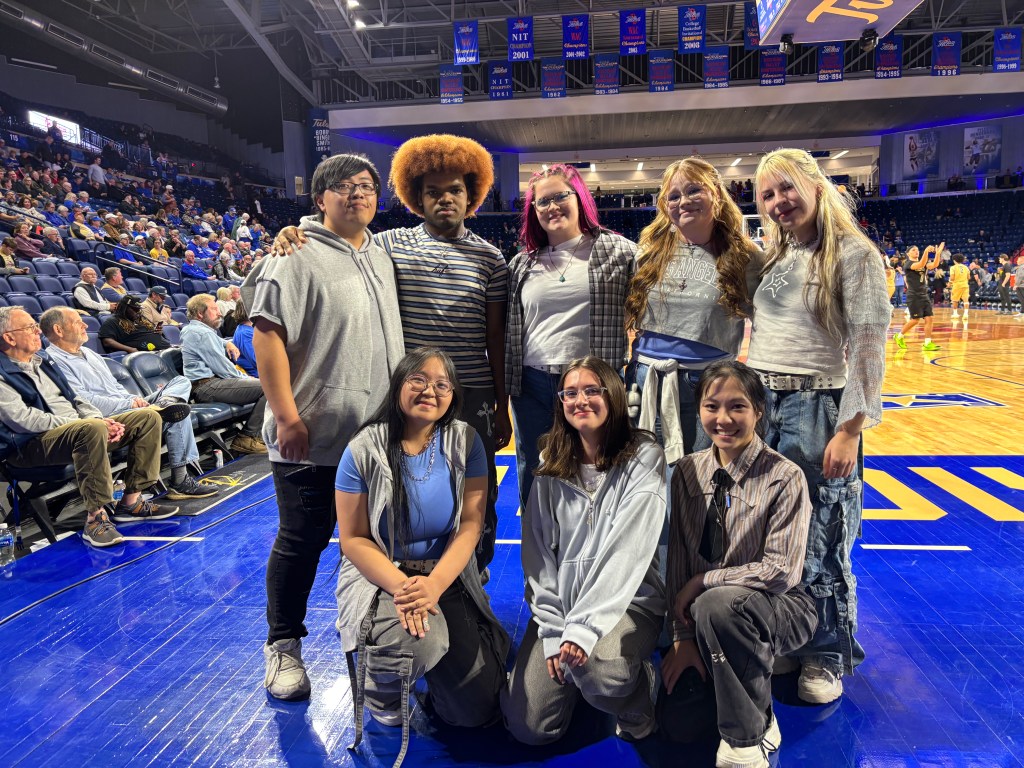
K-Soul Dance Crew was born after a group of young women asked Temple of Dance founder Carrie Holmes to teach more K-pop dance classes.
Temple of Dance has two K-pop teams: K-Soul, a performance-ready group team, and Synergy, a training group.

The performance-ready team dances live gigs five times a month, while members of the training group work on their choreography and facial expressions to become performance-ready. K-Soul has 10 members, mostly young adults and teens between 13 and 30 years old, while Synergy’s membership fluctuates since it’s not a locked-in group.
High school and college are the perfect time for group members to focus on things they love before they have families and careers, Holmes said.
She described the members as mostly introverts who work well together. She’s witnessed them blossom into their personalities and gain confidence.
“When you do that with another group with people that are like, ‘we’re at your same level and we’re leveling up together,’ I think that’s the bonding agent,” Holmes said. “Like they’re all doing it together, going through scary moments and, you know, killing it.”
Group members host events at Temple of Dance, located at 41st and Memorial, to teach community members dance routines.
Follow K-Soul and Temple of Dance on Instagram to stay connected on their upcoming events and auditions.
This article was produced as part of a partnership between the Tulsa Flyer and La Semana, a Tulsa-based bilingual Spanish-English newspaper serving Latino communities in Oklahoma.
News decisions at the Tulsa Flyer are made independently of our board members and financial supporters. Read more about our editorial independence policy here.