


Audience members hold signs in opposition to the Google data center during a full meeting of the City-County Council Sept. 8, 2025, at the City-County Building in Indianapolis.
INDIANAPOLIS — It’s a February evening in an Indianapolis community center. A pastor is leading a group of nearly 100 community members in a chant. Representatives from data center developer Metrobloks are sitting quietly, watching.
“No data center here,” the group repeats. “No data center here.”
For months, residents of a historic predominantly Black neighborhood on Indianapolis’ east side have been vocal in their opposition to a proposed data center.
Generous tax incentives, cheap land and the state’s proximity to major cities like Chicago have made Indiana attractive to data center companies. Los Angeles-based company Metrobloks wants to build a nearly 14-acre data center in a vacant lot in the Martindale Brightwood neighborhood. The proposal includes a high-voltage substation and dozens of generators.

But Indiana has also served as a hub of hope for areas that oppose data centers — offering a cautionary tale for cities like Tulsa about what lies ahead in the battle over where they can be built.
At least 12 projects across Indiana have been voted down or withdrawn by developers, according to energy advocacy group Citizens Action Coalition. Ben Inskeep, the group’s program director, points to the commitment from residents as the reason these centers haven’t moved forward.
“It’s local people who really care about their communities and who put in the work, who are persistent and resilient and advocating on behalf of their community and who aren’t giving up when they encounter obstacles,” Inskeep said.
Unlike Tulsa, where large data center development has targeted rural and suburban communities, Martindale Brightwood is urban and suffers from blight. The neighborhood’s median household income was about $24,000 in the last census, about half the median income of surrounding Marion County. The area was founded as an industrial neighborhood centered around the manufacturing of railroad equipment.
Later, American Lead conducted lead smelting at a facility in the neighborhood. The companies departed, taking jobs and leaving behind pollutants and contaminated soil. The lot of the proposed data center, now overrun with weeds, has sat vacant since a drive-in theater closed in the 1980s.
The Metrobloks site was portrayed as a win for the neighborhood: vacant, neglected land cleaned up. Jobs in an area with too few. A foundation upon which more development could be built.
But it’s also 14 acres — about 14 football fields — across from residential homes and in close proximity to local businesses, the neighborhood’s library and one of the area’s only grocery stores.
Cierra Johnson lives within walking distance of the site. She’s the spokesperson for Protect Martindale Brightwood, a community group formed to oppose the data center. The development is just the latest hurdle in the neighborhood’s decades-long effort for environmental justice, she said.
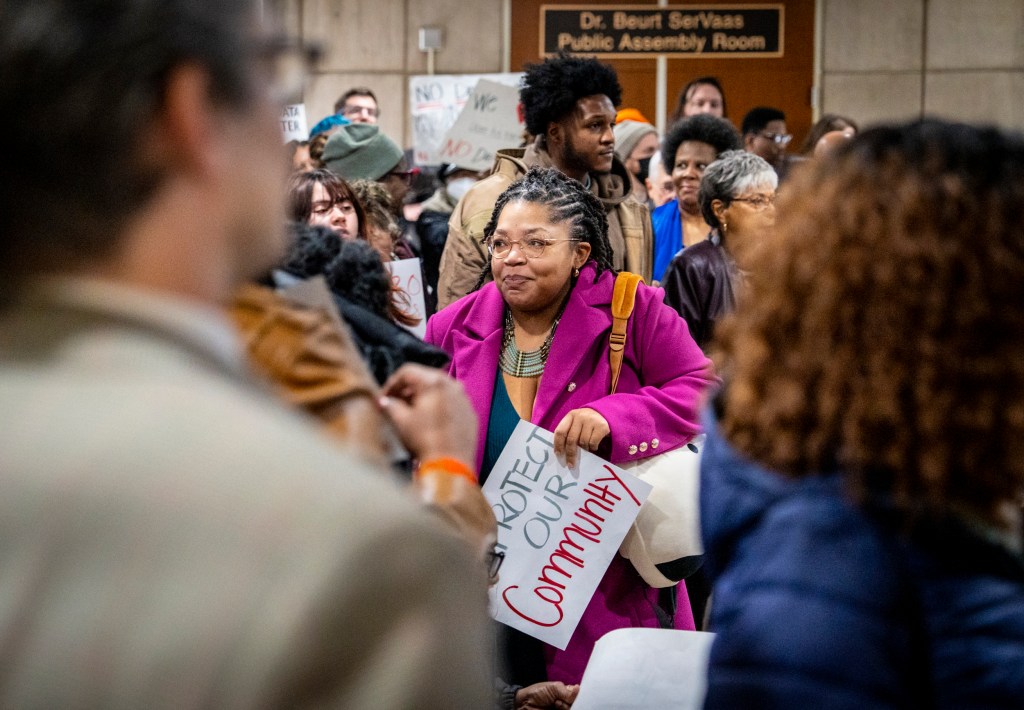
Protect Martindale Brightwood most recently pushed back a zoning hearing, buying the neighborhood more time for research and for the City-County Council to decide how — or if — it will regulate data centers.
Johnson said the group’s success comes in part from community elders who have spent decades advocating for the area. The neighborhood has an environmental collaborative, a land use committee and an advocate familiar with the city’s zoning laws.
“They’re the ones who are really the strategists and our experts and also the heart and soul of this,” Johnson said. “They’ve seen it before, and they know how to make sure that we can put a stop to it.”
Elizabeth Gore, a resident for more than 50 years and chair of the Martindale Brightwood Environmental Justice Collaborative, has been working to remedy environmental concerns in the neighborhood for nearly two decades.
Lead service lines are being replaced, contaminated soil has been removed and environmental justice is now a pillar in the neighborhood’s quality of life plan.
“We are trying to protect our communities as well as the people who live in them, and so we’re just not going to let anything or anybody come in and jeopardize that.”
Protect Martindale Brightwood has worked closely with other neighborhood groups fighting off data centers across Indiana, including on Indianapolis’s south side.
About 10 miles away from Martindale Brightwood, Protect Franklin Township led an effort against a data center proposal from Google.

At a panel discussion on data centers, Franklin Township organizer Brittany York said data centers are a great unifier.
“There’s so many reasons that they’re terrible, we can all connect with kind of one or two or several reasons to not want them, especially in our communities,” York said.
The Google proposal was approved by the city’s hearing examiner and Metropolitan Development Commission, despite community opposition.
But Protect Franklin Township didn’t back off. It used billboards and social media to spread awareness of its efforts. And hundreds of people showed up to the city-county council meeting where councilors were set to vote on the proposal.
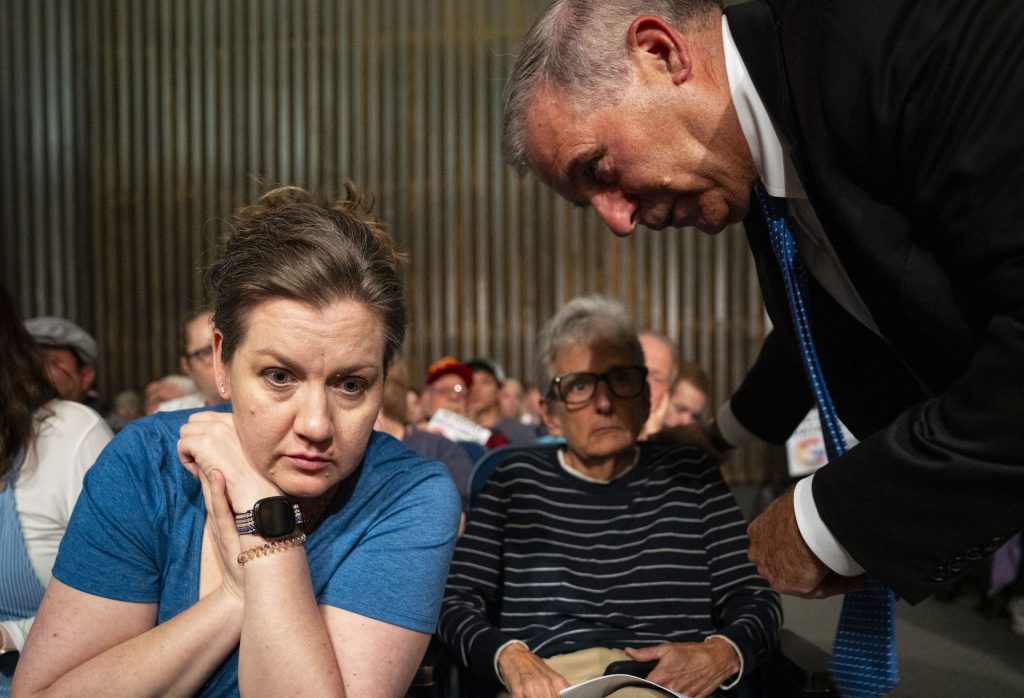
Google ultimately withdrew its petition that night.
“Had we given up the first time or even the second time, we would not be where we are today,” York said. “So be consistent, show up, don’t give up and be loud.”
Darian Benson is a reporter for MirrorIndy, where she covers Eastside neighborhoods and government.
News decisions at the Tulsa Flyer are made independently of our board members and financial supporters. Read more about our editorial independence policy here.