

Boil water orders are fairly commonplace in the United States — including recent notices in towns like Coweta and Bartlesville — but there’s a higher chance they can happen in cold weather events.
Here’s what to know in case extreme weather brings a boil water notice to northeastern Oklahoma.
A boil water notice is issued when local officials believe there are conditions that could lead to germs in the tap water that could make you sick. Water supply pipes break more often during cold weather, reducing the pressure in the water lines. Many municipalities monitor pressure in the lines and will issue advisories based on those readings.
The Centers for Disease Control and Prevention recommends the following for a water boil notice:
Drinking water
- You can be proactive by purchasing bottled water ahead of time in case a boil water notice is issued.
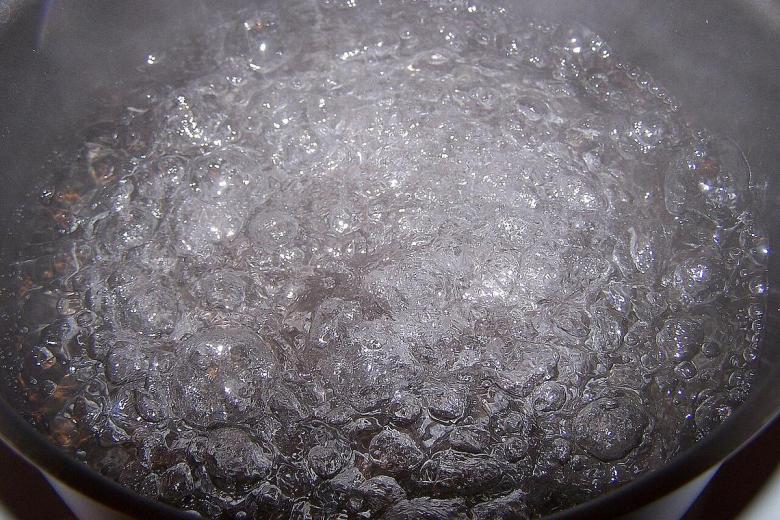
- If bottled water isn’t available, boil your tap water for a full minute. You want to heat it up until bubbles come from the bottom of the pot to the top.
- Once it reaches a rolling boil, let it boil for one minute. Be sure to let it cool before you use it.
- You should still boil your tap water for a minute even if it’s gone through a home water filter or pitcher.
- You should boil any water used to prepare drinks, such as coffee and tea.
- Be sure to not use ice from ice trays or ice dispensers. Throw out all the ice made with tap water.
- Be sure to use the same guidelines when giving pets drinking water during a boil water notice.
- Water is safe for plants even during a boil water advisory.
Using baby formula
- Be sure to use ready-to-use formulas if available.
- Use bottled or boiled water to prepare any baby formulas.
- Use bottled or boiled water to wash and sterilize bottles.
Bathing, showering and brushing your teeth
- You can use tap water and soap to wash your hands unless otherwise advised from local officials.
- You can also use tap water to shower and bathe. Be careful while showering and avoid consuming any water.
- Do not brush your teeth with tap water. Use bottled or boiled water only.
Cleaning
- You can wash laundry as usual.
- Use disposable plates and utensils if that’s an option.
- Dishwashers that reach a final rinse temperature of at least 150 degrees are safe to use.
- If washing by hand, use hot water as normal. Place hot water in a separate bowl and add 1 teaspoon of unscented liquid bleach and soak rinsed dishes in water for at least one minute.
- Water can be used to flush toilets as usual.
News decisions at the Tulsa Flyer are made independently of our board members and financial supporters. Read more about our editorial independence policy here.
