


At 14, Xavier Forbes was left standing in the December cold after his dad kicked him out wearing only a tank top and shorts. At 15, Donald Templeton became a full-time caretaker for both parents after a car crash upended their lives. At 16, Summer Byrd was abandoned by her parents, and Journey Byrd was alone at 17 when his parents died within weeks of each other.
They’re among a growing number of young people in Tulsa who have experienced — or are experiencing — homelessness. Today they’re “dreamers” — Tulsans younger than 25 years old who found help and hope in the Dream Center’s Safe & Secure program.
They sat down for a group interview with the Flyer at the center’s north campus to share what life is like as a teenager left to fend for themselves.
Slipping through the cracks
Each night, an estimated 4.2 million minors — or one in 30 teenagers — experience homelessness in the United States. They’re especially vulnerable too, with a higher risk of substance use, unexpected pregnancy, mental health conditions or involvement in the justice system than others their age.
Despite previous experiences in the juvenile system, Journey was on track to graduate and go to college. Then his mom died suddenly. Weeks later, unable to cope with the grief, his dad died too.
“I didn’t know what to do. I didn’t know how to cope with that,” said Journey, now 24.
He was alone and couldn’t stomach staying in the house where both his parents died.
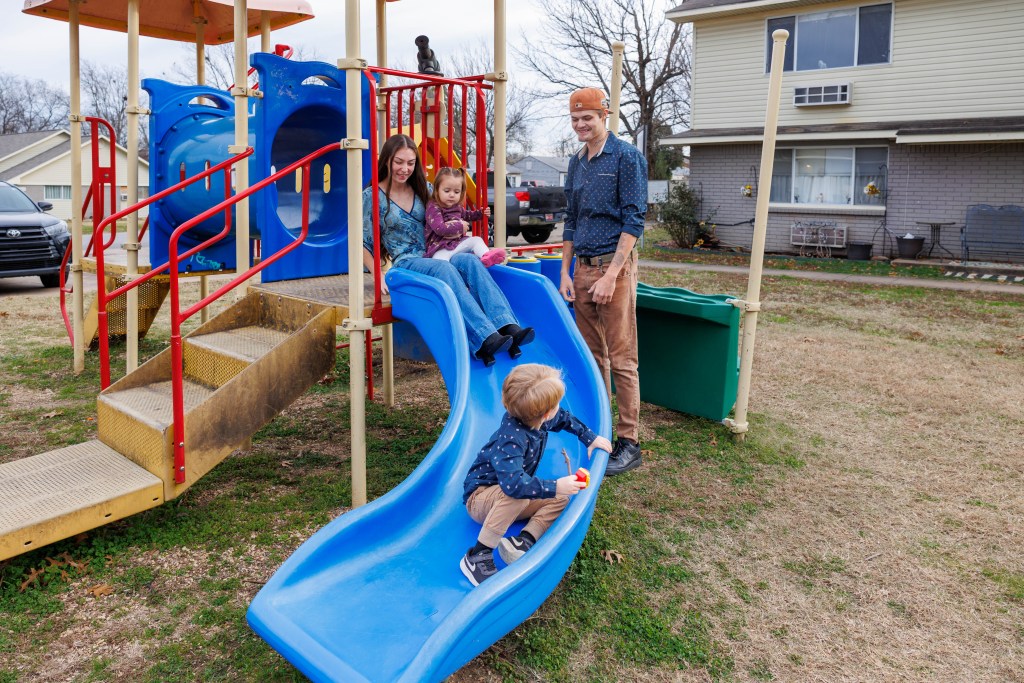
“I just kind of gave up,” he said. “I started using drugs and running around and just partying all the time, and I was pretty much homeless ever since.”
Summer, now 24, experienced chronic homelessness throughout her childhood. In rural Oklahoma there was little systemic support, and she was completely alone by 16.
She graduated high school with a 4.2 GPA and full-time job, but her age held her back. Without emancipation or documents like a Social Security card or birth certificate, she did what she could.
“I was angry for a lot of years, I turned to drugs to cope,” said Summer, also now 24. “Adult assistance and guidance, man. That would have went a long ways.”
Summer met Journey in May 2019 when he and nearly 10 other homeless teens moved into Summer’s house. They found a kinship and became “life partners” six months later.
“We were all we had,” she said.
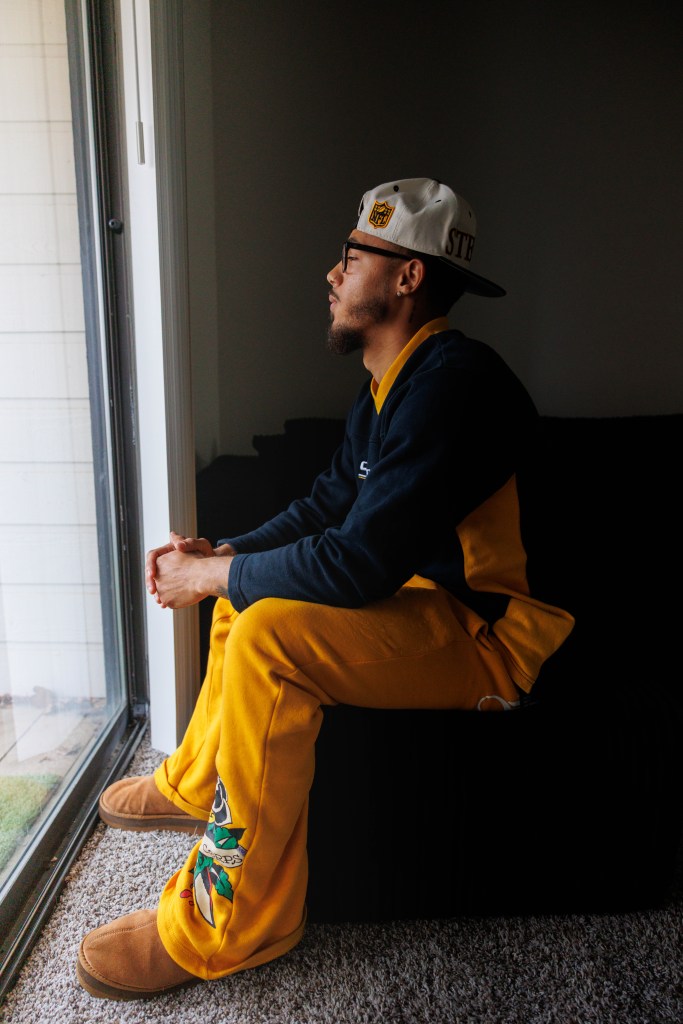
Xavier’s mom struggled with addiction and took off when he was 4, leaving him with persistent behavioral issues in school. His dad was strict but present until he kicked Xavier out at 14.
Xavier lived with his mom for a while, in and out of hotels, and was a father at 15. By the time he was 17, he had dropped out of school and sought emancipation. He was on his own.
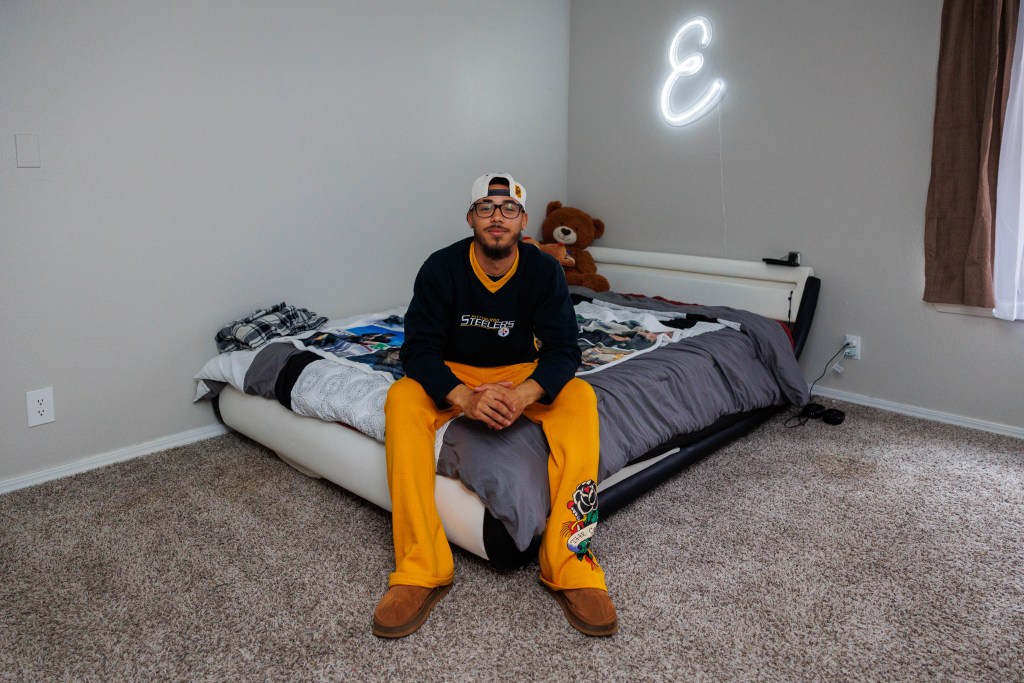
He moved in with his fiancée, Emelee Hobbs, last year. When she suddenly died this October, with her name on the lease, Xavier was couch surfing again at 22.
A massive car crash left Donald’s father in a vegetative state and in need of full-time care after a hospital stay. Soon after, sepsis and a stroke left his mother bedridden too. At 15, Donald was paying bills, feeding and bathing both parents. Days and nights ran together. He says he was afraid he’d walk into their room one night and find them dead.
Donald’s father died after Adult Protective Services took him out of the house. His mom was later placed in a nursing home. Donald oversaw his father’s funeral and fought a probate battle for their north Tulsa house. Living alone without a functioning bathroom, he made it work with odd jobs flipping cars and barbecuing for the neighborhood.
The crash busted Donald’s knee, ruining his football career at McLain High School. He wound up with an addiction to pain pills, eventually going through a bottle a day.
“It was just my escape route,” he said. “I’d go to school, just completely stoned out of my mind on those pills, completely out of it. And I got really good at hiding it.”
Looking for a way out
For all four, their independence was a double-edged sword. They felt empowered without authority, but it could be a curse.
Friends and family tried to step in, Donald says, but he pushed them away.
“I also focused on making sure that I was completely off the radar, not just under it, but off of it,” he said. “A lot of adults that I talked to would showcase the past and how far I had come without realizing, well, I’m deep in a pill bottle and have a wide open view of the future, but nothing specifically to focus on.”
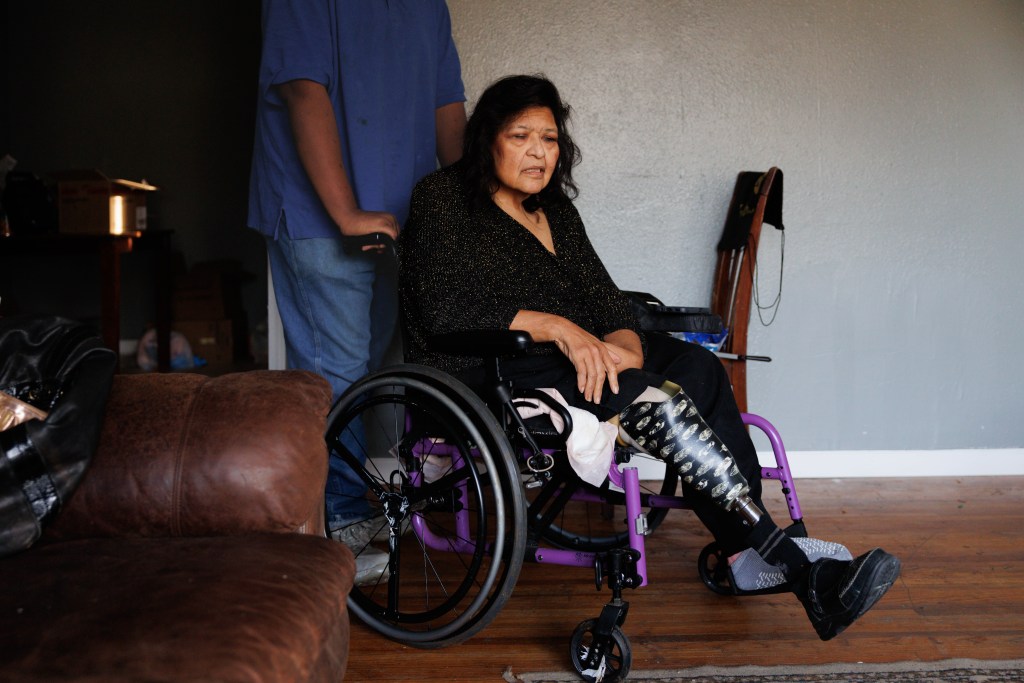
Emelee’s death shattered Xavier. After years of building his own grown-up life, he was left sleeping in a 12-year-old’s bed at a relative’s house, grieving and unsure of where to go next.
“I was very overwhelmed,” he said. “It was to the point where I almost wanted to stay at work because I didn’t want to come back to that.”
Several times after his parents died, Journey woke up thinking, “I gotta get out of here. I gotta get away from these people.” But he didn’t see a way out.
The Byrds lived “everywhere” between Oklahoma and Arkansas, both struggling with fentanyl addictions. They had their son in March 2022 and Summer confronted her addiction in 2023, leaving for a sober living house in Tulsa. She loved Journey either way, but he had to get sober or stay behind.
“It just hit me like a truck, I realized I just lost my family,” he said.
So, he hustled up the money to get to Tulsa and made it through a month of withdrawal. They had their daughter in 2024.
As this group separately searched for a way out, the Dream Center stepped in.
‘Doing something better’
The center’s Safe & Secure program aims to divert youth from homelessness or continued housing insecurity by helping with past due rent, fees, utility bills and next steps.
After friends and case workers directed all four to the program, their situations started to rapidly shift. People like them are strong, Donald says, but everyone has their limits.
The center gave the Byrd family “breathing room” to catch up on rent and utilities, helped Journey get certified as an armed security guard and worked with Summer to create a financial success plan.
The center secured housing for Donald and his mother, who he continues to care for today, and a case worker helped Xavier secure an apartment.
These young Tulsans are piecing it together with more stability and mentors helping them heal and recover. They say they needed early intervention from adults who understood their situation.
“The way I see it, there’s just a little boost that I need, and I can get it done myself,” Donald said.
Now 18, Donald mentors kids at My Brothers Keeper, Tulsa Changemakers, Tulsa Debate League and on the Dream Center’s little league teams. They call him an “elder.” He doesn’t mind it, even if he worries about a midlife crisis at 20. He wants to continue pouring into north Tulsa as a teacher. He’ll start classes at Tulsa Community College in the fall.

“I used to be wanting to do grown people things, taking care of bills and everything like that,” Xavier said. “Sometimes I just sit back and wish, like, man, I just could have been a kid when I was a kid.”
Xavier wants to show his 6-year-old son consistent support, even if he too wants more independence. Xavier shares his new apartment with Athena, a dog his fiancée adopted a week before her death. Their home is decorated with memories of Emelee and reminders of his faith.
“He has a plan,” one sign reads. “Trust him.”
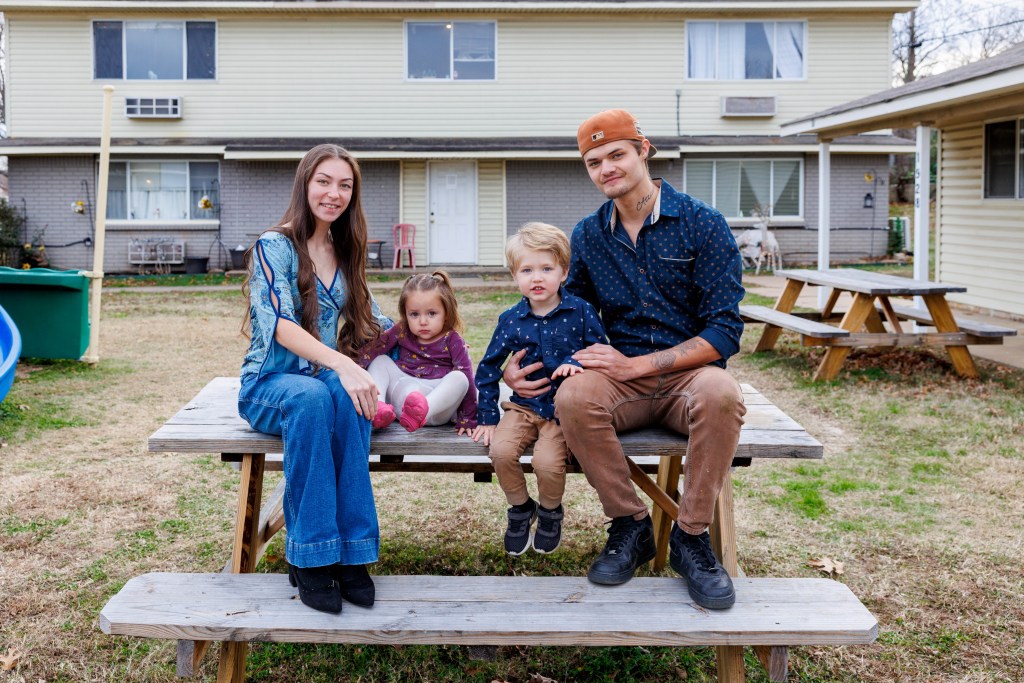
The Byrds are committed to “doing something better” for their kids.
Summer is advocating for youth and sobriety support at several boards and commissions across the city. Her family is not a product of the circumstances, she says, but they can use what happened as motivation.
“As a mother to my own children, I hurt, but I use that as fuel,” Summer said. “I’m sure I’ll mess them up in some kind of way, but they’ll have help. I’ll be there, and they won’t have to know struggle as much as I did.”
As they left the group interview, Donald, Xavier and the Byrds hugged and congratulated each other. Xavier left to pick up the keys to his apartment that afternoon — coincidentally Emelee’s birthday. The Byrds smiled for a family picture with Journey’s new guard license. As Donald walked out, they turned to offer him a ride.
“I’ll be alright,” he said, waving and turning onto the street — walking home.
News decisions at the Tulsa Flyer are made independently of our board members and financial supporters. Read more about our editorial independence policy here.
