




Mayor Monroe Nichols got face time with the Tulsa Press Club on a heated Cherry Street patio Wednesday to discuss the state of the city.
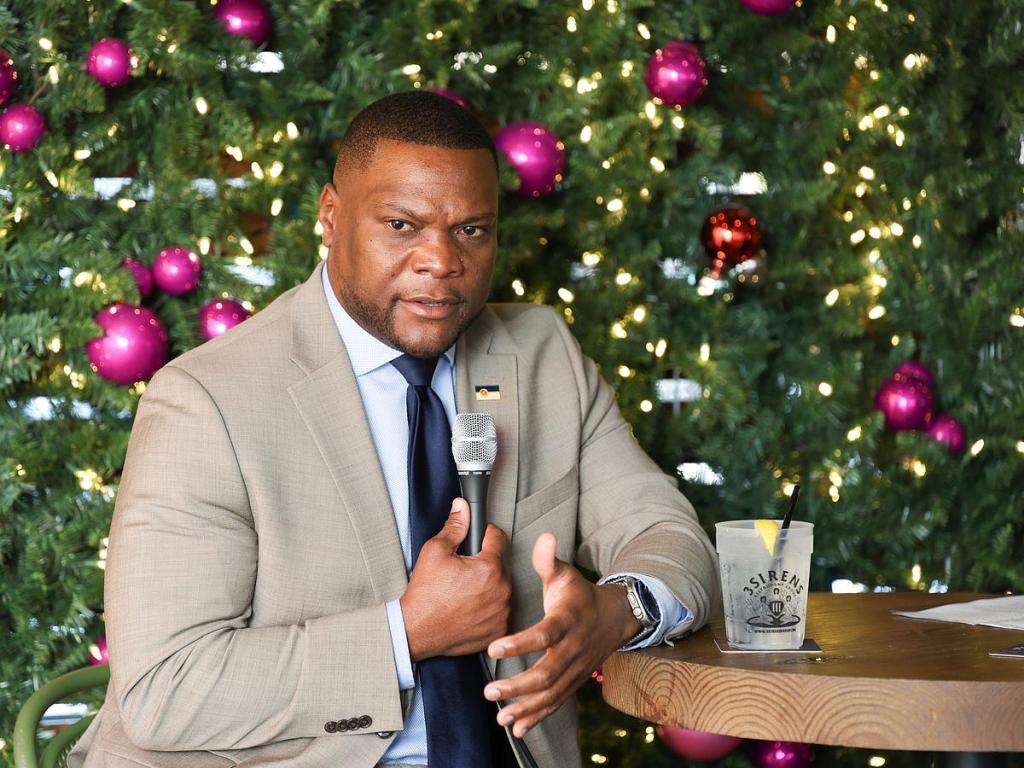
While members dined on chips and salsa and braised short rib, the mayor quipped about 2025 being a “legendary” year before diving deeper into his first year in office. “True,” “clear” and “accountability” are words he used to describe it.
About 25 journalists, public relations specialists, lawyers and business owners attended the event at Holé Molé, moderated by Tulsa Press Club Board President Jason Collington, who recently resigned as executive editor of the Tulsa World.
Here are some takeaways:
Housing goals
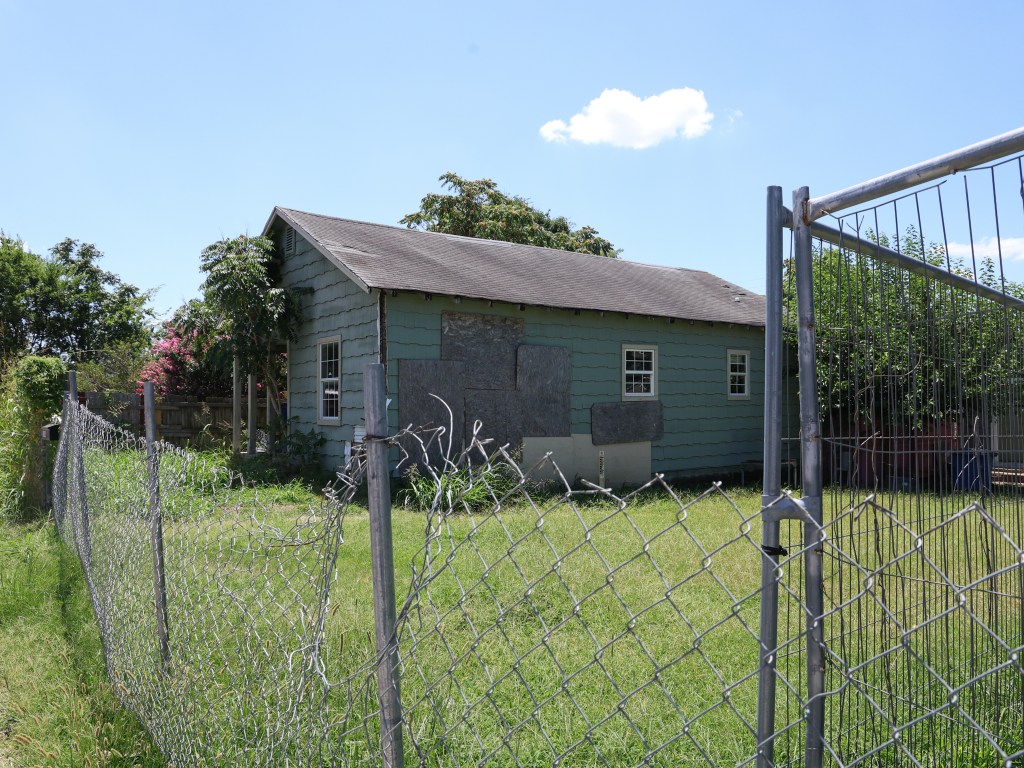
When running for mayor, Nichols set his sights on creating 6,000 affordable housing units and reducing blight by 60% over his four-year term. The city is making progress in both areas, he says.
“Over this last year toward that goal, we’ve addressed a lot of internal issues that we have to kind of speed up,” Nichols said. “We know our practices are part of that. We’re getting ready to invest in that Housing Impact Fund.”
The Housing Impact Fund aims to spur construction for affordable housing in Tulsa. So far, it has raised $74 million of its $120 million goal.


Sales tax increase
In November, Nichols proposed increasing the sales tax by seven-tenths of a cent to generate approximately $80 million annually for city projects. The city council wasn’t sold on the idea and plans to revisit it in January, but the mayor says Tulsa needs more money and current sales tax revenue “is not sustainable.”
“This is a math problem,” Nichols said. “It has nothing to do with my political ideology or anything like that, it’s just a math problem. And I think that’s probably oftentimes what’s most misunderstood.”
Recently, small businesses reported slumps in sales during the holiday season. When asked if he thought a sales tax increase might exacerbate issues for already struggling businesses, Nichols said he wasn’t worried.
“I don’t think that it makes an impact at all,” he said. “I think you’re always going to have those slumps potentially. I don’t think it exacerbates it one bit.”
Expectations for the next governor
Nichols, a Democrat, has previously butted heads with Republican Gov. Kevin Stitt, particularly on how to handle homelessness in Tulsa.
Oklahomans will elect a new governor in 2026, and as candidates and voters gear up for the next election, Nichols says whoever takes the reins should be mindful of urban communities.
“I think the next governor is really going to have to look at your urban communities and say, ‘How do I leverage them?’ How do I invest in them in ways it’s going to make sure they continue to be the kind of driver for economic growth that the state needs?’” Nichols said. “Because without us, we don’t have that. Without our ability to make sure we can keep Tulsa going and Oklahoma City going, our ability to help everybody else gets reduced significantly. ”
Policing and public safety
In November, the City of Tulsa agreed to pay $26 million to William Henry Jamerson, a man who spent more than two decades incarcerated after being wrongfully convicted of rape.
Nichols was asked what the city has learned from Jamerson’s case and how policing has changed.
“The world of policing is significantly different than it was here and everywhere else across the country,” he said.
Nichols lauded Tulsa Police Department for its work in the downtown area where he says they took 160 illegal guns off the street during a 10-week period earlier this year. The mayor has also championed a downtown curfew for unaccompanied minors that he and city councilors say has reduced crime.
“I’m really proud of the department,” Nichols said.
Looking ahead to 2026 and beyond
Nichols noted new construction developments taking shape in 2026.
- Work will continue on the Kirkpatrick Heights-Greenwood master plan to revitalize 56 acres of publicly-owned land in the Greenwood District between Pine and Archer streets and U.S. Highway 75 and L.L. Tisdale Parkway.
- TPD will begin moving from its downtown location sometime in late 2026 or early 2027 to the former State Farm regional headquarters at 12222 E. State Farm Blvd. S. It will be a centralized hub for police, fire and emergency management.
- The city will prepare for a new convention center and hotel to take the place of the downtown police department headquarters at 600 Civic Center.
“You’ll see a lot of things moving in 2026. I think the next two and a half years will be a dramatic shift in not just new buildings, but a dramatic shift in our ability to meet the needs that we have here,” Nichols said.
Ismael Lele is a Report for America corps member and writes about business in Tulsa for The Oklahoma Eagle. Your donation to match our Report for America grant helps keep him writing stories like this one; please consider making a tax-deductible gift of any amount today by visiting this link.
