




Viola Fletcher, one of the oldest survivors of the 1921 Tulsa Race Massacre, has died at 111.
“Today, our city mourns the loss of Mother Viola Fletcher — a survivor of one of the darkest chapters in our city’s history,” Mayor Monroe Nichols said in a statement Monday. “Mother Fletcher endured more than anyone should, yet she spent her life lighting a path forward with purpose.”
In a statement, Fletcher’s grandson Ike Howard said the family said was in “deep grief,” especially since she passed just two years after her younger brother Hughes Van Ellis, who died at 102.
“Mother Fletcher was a pillar of strength and dignity,” Howard said. “She shared her story with the world not for recognition, but because she believed deeply in truth, in perseverance and in the power of hope — even after the hardest of losses.”
During the 100th anniversary of the massacre, Fletcher spoke before the U.S. House of Representatives describing the violence of the white mob in her childhood community of Greenwood, also known as Black Wall Street.
“I still see Black men being shot, Black bodies lying in the street. I still smell smoke and see fire,” she told the House subcommittee in 2021.
Damario Solomon-Simmons is the founder of Justice for Greenwood and lead attorney for massacre survivors and descendants seeking reparations. He lamented Fletcher’s passing, saying she died “without a single act of real redress from the City of Tulsa for what was taken from her as a little girl in Greenwood.”

Still, he said her legacy and impact go beyond the tragedy of 1921.
“When I think about Mother Fletcher, I don’t just see a historic figure or a symbol,” Solomon-Simmons said Monday in a statement. “I see a woman I sat with, prayed with, laughed with, and went to court with. I see a family that trusted us with their pain, their story, and their hope.”
Fletcher not receiving any justice “isn’t just a legal failure, it’s a moral one,” Solomon-Simmons said.
“But grief is not the end of this story,” he said. “Because if you knew Mother Fletcher — even a little — you know she would not want us to stop here. She would not want her passing to be the end of the fight. She would want it to light a fire under all of us.”
Nichols, who introduced a $105 million reparations package earlier this year, said Fletcher was a “reminder of how far we’ve come and how far we must still go.”
“She never stopped advocating for justice for the survivors and descendants of the 1921 Tulsa Race Massacre, and I hope we all can carry forward her legacy with the courage and conviction she modeled every day of her life,” Nichols said.
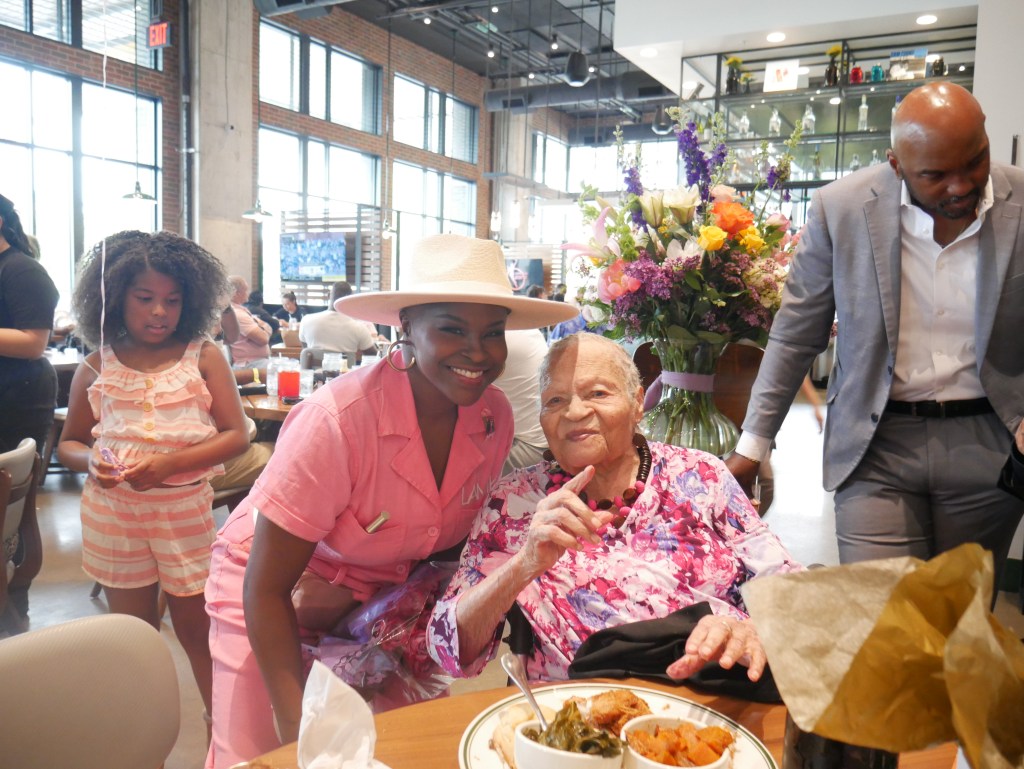
Fletcher was born May 10, 1914, in Comanche, Oklahoma. After getting married in 1932, she moved to California with her husband to work in the shipyard industry during World War II.
Following the war, they moved back to Oklahoma and raised three children. In 2020, Fletcher joined other survivors to file a lawsuit against Tulsa, the county board of commissioners and the Oklahoma Military Department in search of reparations from the massacre.
In June 2023, Fletcher released her memoir “Don’t Let Them Bury My Story.”
“Every day, I have lived through the massacre,” Fletcher wrote. “While our country may forget this history, I cannot.”
Editor’s note: This story has been updated with new information throughout.
