

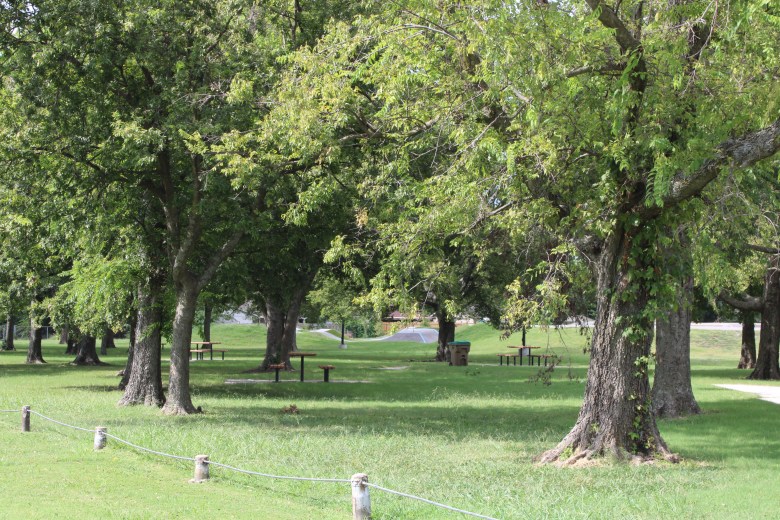
As days grow shorter and nights stretch longer, Oklahoma trees are getting their cue to swap the green leaves for shades of yellow, orange and red. It’s all part of photosynthesis winding down, which is when chlorophyll fades and hidden pigments like xanthophylls, carotenoids and anthocyanins finally take center stage.
But how vivid those colors appear depends heavily on the weather leading up to fall. Moist soil and mild temperatures typically bring brighter hues, while heat and drought can cause leaves to turn early or even fall from the trees before they are able to reach peak color.
Oklahoma has slipped back into drought in late summer. According to the latest U.S. Drought Monitor, about two-thirds of the state is either abnormally dry or in moderate to severe drought. Soil moisture has dropped sharply across central and northern counties, including parts of Tulsa, which causes stress that often dulls reds and shortens the season for color.
Still, it’s not all bad news. Southeastern Oklahoma, which is home to the Talimena Scenic Drive where people from across the region will flock to see vibrant colors, has seen a bit more rainfall. Those wooded hills should still offer a good show of fall foliage.
In Oklahoma, peak color usually arrives from late October into early November.
“We’re likely on track for peak season to occur, though cooler temps and some decent rainfall would help,” said Paul James, master gardener with Tulsa’s Southwood Landscape and Garden Center.
Kirsten Lang is a Tulsa-based meteorologist and contributor to the Tulsa Flyer.