


Close to 300 new laws in Oklahoma go into effect Nov. 1 ranging from criminal justice and artificial intelligence to health care.
One law imposes tougher penalties on people caught driving under the influence. Some offenses will automatically result in a felony charge —- even for first-time offenders.
Under Senate Bill 54, DUI drivers can be charged with a felony if they:
- have a minor in the car
- have a blood alcohol level of 0.15%
- elude law enforcement
- speed excessively
- drive recklessly
- cause an accident
SB 54 also reclassifies these offenses as aggravated DUIs, which can land you in jail for 10 days for a first offense and 30 days for a second.
What businesses are saying
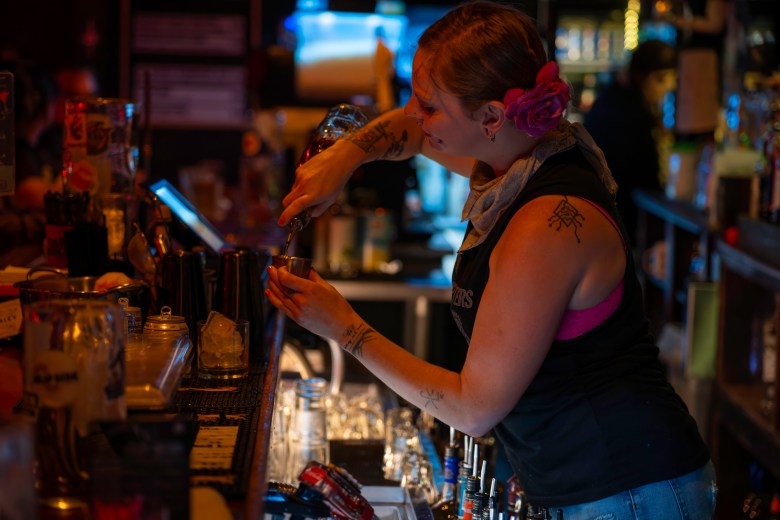
DUI checkpoints are already legal in Oklahoma. Since the state’s new law goes into effect during Halloween weekend, Tulsa bars, restaurants and liquor stores are preparing for any impacts it could have on their businesses.
Joey Dougherty, general manager of Holé Molé on Cherry Street, says the restaurant has its own best practices for serving drinks to customers, and his staff is aware of compliance laws from the state’s Alcohol Beverage Law Enforcement Commission.
Dougherty says a restaurant can face legal issues if a customer is pulled over after having too many drinks.
“It is kind of the easiest way for a restaurant to get shut down or get fined — because of liquor laws,” he told the Flyer. “IDing is kind of the first step, but if someone is involved in an accident, it can be tracked back to our restaurant.”
At Bourbon Street Cafe in downtown Tulsa, owners say they are more known for their food, but they do serve alcohol and typically only serve two drinks per person.
“We are in the business of serving responsibly and not putting people out on the road in the risk of getting DUIs,” said David Southard, restaurant co-owner.
Liquor stores can also be impacted by the law. Azeem Fritz has worked as a sales clerk at Modern Spirits for three years. He told the Flyer business picks up over Halloween weekend but he doesn’t expect sales to be impacted. Fritz said the law is a good thing and could prevent alcohol-influenced car crashes.
“If it does affect our sales at all, I’m sure it would just be the people who should not be drinking that often anyway,” he said. “Anything that keeps our streets and kids safer is definitely a positive.”
Roundup of other laws taking effect Nov. 1
Other laws going into effect Saturday include House Bill 2263, which prohibits a person from using their cell phone in a school zone or construction area. Offenders could get a $100 ticket, but it won’t affect their driving record.
Lauria and Ashley’s law also goes into effect. Named after the 1999 murders of Lauria Bible and Ashley Freeman, it requires people convicted as an accessory to a murder to serve 85% of their sentence before they are eligible for parole.
The only person ever convicted in the case was Ronnie Busick, who was sentenced in 2020 to 10 years in prison as an accessory to the murders. He was released after serving two and a half years, sparking outrage from the girls’ families and elected officials.
Senate Bill 176 requires health insurance companies to cover six months of birth control pills at a time with no increase in cost to the customer.
House Bill 2364 helps former inmates obtain their driver’s licenses, social security cards and birth certificates upon release.
Senate Bill 216 prevents inmates’ driver’s licenses from expiring while serving time.
House Bill 1364 makes it illegal to share artificial intelligence content containing nude or sexually explicit content and images with an individual’s likeness.
News decisions at the Tulsa Flyer are made independently of our board members and financial supporters. Read more about our editorial independence policy here.
